
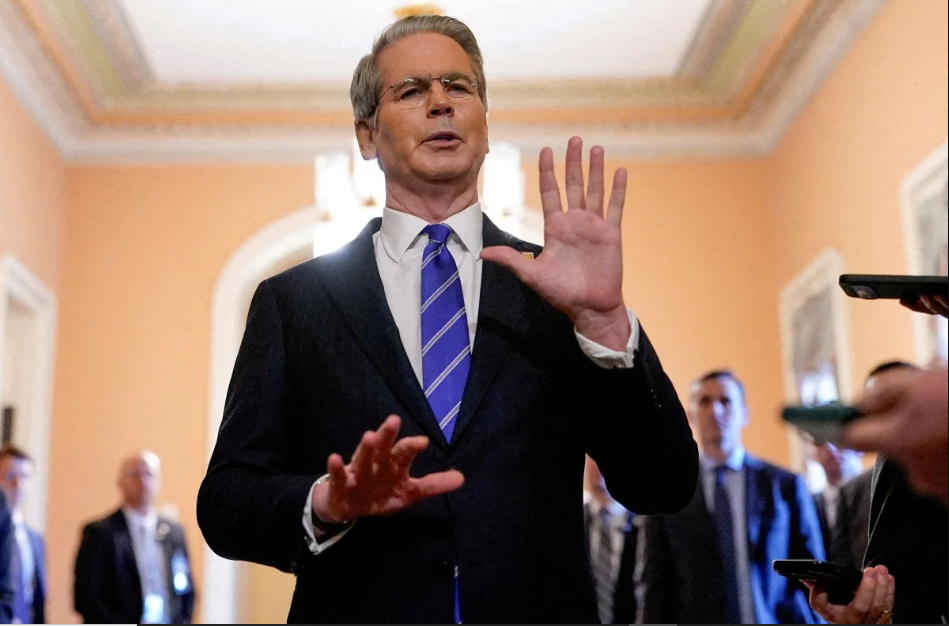

U.S. Treasury Secretary Scott Bessent signaled that upcoming trade discussions with Chinese counterparts in Stockholm could address China’s purchases of sanctioned Russian and Iranian oil, effectively merging trade policy with national security priorities.
Shift from Tariffs to Broader Strategic Dialogue
- Bessent, set to meet Chinese officials next week, stressed that while tariff negotiations remain central, the scope is expanding. Discussions will likely tackle China’s energy imports from Iran and Russia sanctioned under U.S. rules and explore China’s overreliance on heavy industry versus consumer-driven growth.
- He described the U.S.–China trade relationship as having “settled in at a good level,” indicating a constructive phase suitable for addressing more strategic issues.
U.S. Leverage and Legislative Backing
- Bessent reiterated that Congress supports 100% tariffs on countries continuing to purchase Russian oil, explicitly naming China and India
- He urged European allies to adopt similar measures what he described as “secondary tariffs” to deter such energy purchases.
Broader Economic Rebalancing
- A key theme of the talks will be encouraging China to rebalance away from manufacturing and exports toward expanding its consumer economy a pivot that could reduce strategic vulnerabilities related to energy and overcapacity.
Strategic Implications
- Trade meets security: The inclusion of sanctioned energy purchases signals a new era in U.S.–China dialogue, merging economic diplomacy with geopolitical concerns.
- Energy sanctions spotlight: Addressing Russian and Iranian oil imports highlights Washington’s intent to enforce its “maximum pressure” policy beyond mere rhetoric.
- Multilateral coordination: Bessent’s push for European alignment underscores a broader strategy to unify Western economic pressure and uphold diplomatic leverage.
What’s Next
- Talks in Stockholm next Monday and Tuesday may determine whether the August 12 tariff truce will be extended
- Any agreement to limit oil purchases from Russia and Iran could pave the way for secondary tariffs and influence energy markets globally.
- Exchanges around Chinese economic rebalancing may also form part of a future U.S.–China trade framework, potentially reducing structural tensions in the relationship.
Bottom Line: By elevating China’s sanctioned oil purchases into trade negotiations, Treasury Secretary Bessent is steering talks into strategic territory testing China’s willingness to align with U.S. pressure on Russia and Iran while advocating for economic reforms within China’s own borders.