
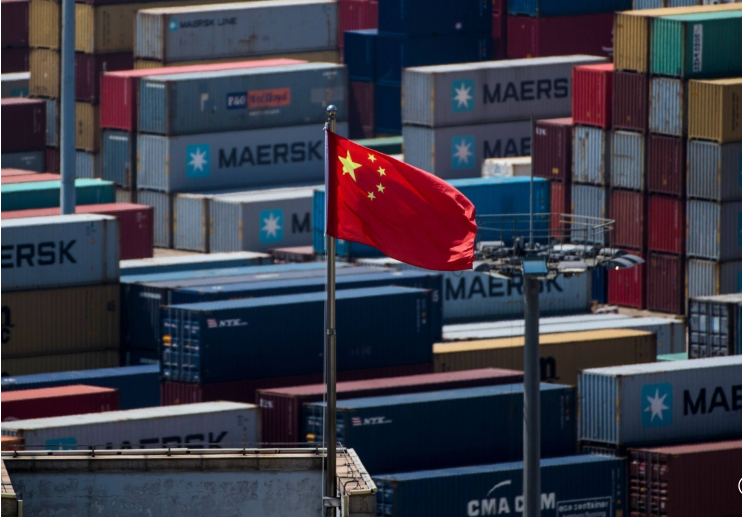

The U.S. government has confirmed that it is undertaking a comprehensive review of its tariff policy toward China, with officials stating that “all options” are on the table as they seek to revise the current framework amid ongoing trade tensions.
The announcement signals a potential shift in how the U.S. handles its trade dispute with China, which has persisted for more than four years and seen billions of dollars in tariffs levied on both sides. Officials are exploring ways to restructure the tariffs to achieve a more sustainable and effective trade relationship with Beijing, while addressing concerns from businesses and consumers about rising costs.
“We are looking at all options, and we need a structure that makes sense for our economy,” said U.S. Treasury Secretary Janet Yellen in a press briefing on Tuesday. “It’s crucial that we find a solution that both promotes fair trade practices and minimizes the impact on American consumers and manufacturers.”
Pressure from Both Sides
The announcement comes at a time of increasing pressure from both business groups and political figures who argue that the tariffs, initially designed to curb China’s unfair trade practices, have not delivered the expected results. Critics, including many within the U.S. business community, argue that tariffs have primarily hurt American businesses and consumers, with little change in China’s economic behavior.
“The tariffs have put a strain on industries from agriculture to technology,” said David French, Senior Vice President for Government Relations at the National Retail Federation. “There needs to be a long-term strategy that addresses the root causes of the trade imbalances without putting additional burdens on U.S. consumers.”
On the other hand, China has also voiced frustration with the ongoing tariffs, which it maintains have disrupted the global supply chain and exacerbated economic difficulties for both countries. Beijing has urged Washington to take steps toward “de-escalation” by removing tariffs on Chinese goods and easing restrictions on Chinese technology companies.
The Biden Administration’s Balancing Act
The Biden administration has maintained a relatively hard stance on China, especially on issues such as intellectual property theft, market access, and Chinese state subsidies. However, it has also shown signs of openness to revising certain aspects of the trade deal that were implemented under former President Donald Trump, particularly those tariffs that have been most damaging to American businesses.
Trade analysts predict that the administration will seek a middle ground, potentially using the review as an opportunity to remove or reduce tariffs on consumer goods, while keeping sanctions in place on sensitive industries such as high-tech manufacturing and critical infrastructure.
Potential Path Forward
One option that has been discussed is a phased removal of tariffs, coupled with stronger enforcement mechanisms to ensure China adheres to commitments regarding intellectual property protections and market access. Another possibility is retooling the tariff structure to focus more on addressing the underlying structural issues in the U.S.-China trade relationship, such as China’s industrial policy and state-backed subsidies to its domestic companies.
“We must ensure that whatever policy changes are made will lead to lasting and fair reforms,” said U.S. Trade Representative Katherine Tai in a statement. “Our goal is not just to lower tariffs, but to create a framework that fosters fair competition and protects American industries.”
Global Impact and Uncertainty
The U.S.-China trade war has had wide-ranging effects on global trade, disrupting supply chains, causing price increases, and leading to shifts in international market dynamics. The outcome of the current tariff review will have significant implications not only for both countries, but for the broader global economy, particularly in areas such as tech, manufacturing, and agriculture.
Economists warn that any major changes to tariffs could impact inflation, consumer prices, and global trade flows, with ripple effects extending far beyond the U.S. and China. As the review process unfolds, markets will closely monitor the potential for a new trade deal, or whether tensions will escalate further.
source: scmp.com