
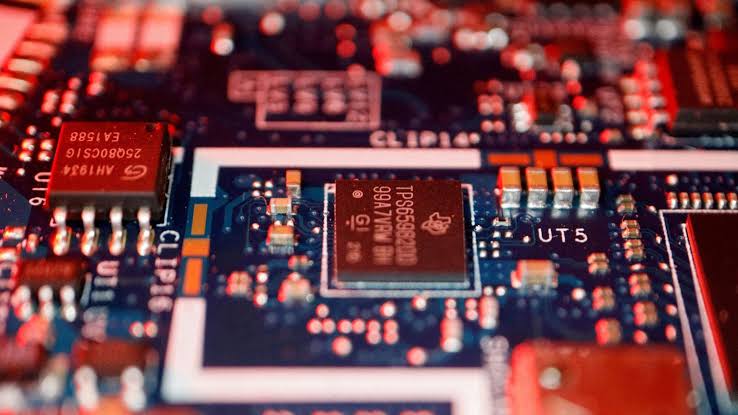

In a significant development reflecting a thaw in U.S. China trade tensions, the Biden administration has announced it will lift several restrictions on the export of advanced chip design software to China. This policy reversal, effective immediately, allows American tech companies to resume shipping critical semiconductor design tools that had been previously restricted under national security grounds.
The semiconductor industry, a cornerstone of modern technology from smartphones to military applications, has been at the heart of the U.S. China trade dispute. Restrictions imposed over the past few years sought to curb China’s ability to develop cutting-edge chips that could potentially be used in military or surveillance technology. However, the tightened controls also disrupted global supply chains and caused uncertainty among U.S. exporters and international partners.
According to senior officials at the U.S. Commerce Department, the revised measures come after extensive diplomatic engagement and reflect an improved bilateral understanding. The easing of controls is intended to strike a balance between safeguarding national security interests and supporting the global semiconductor ecosystem, which has faced persistent supply shortages and bottlenecks.
Industry leaders have welcomed the move, noting that U.S. semiconductor firms rely heavily on software tools to design increasingly sophisticated chips. The ability to export these tools to China could revitalize cooperation and reduce friction in a sector that is deeply interconnected across borders. Analysts say the decision may help prevent further disruptions and foster technological innovation on both sides.
Chinese government officials responded positively to the announcement, characterizing it as a “constructive step” toward stabilizing economic ties. They reiterated their commitment to fair trade practices while emphasizing the importance of technology exchange for continued growth.
Nevertheless, experts caution that this policy change, while meaningful, does not resolve all outstanding issues between the two nations. Broader concerns about intellectual property, cybersecurity, and geopolitical competition remain key challenges. The move is seen as part of a pragmatic approach to managing complex relations without escalating tensions.
As global demand for semiconductors continues to surge driven by advancements in artificial intelligence, 5G, and automotive technologies the U.S. decision to relax software export restrictions signals a cautious but hopeful stride toward collaboration in an increasingly divided world.
source: cnbc.com