
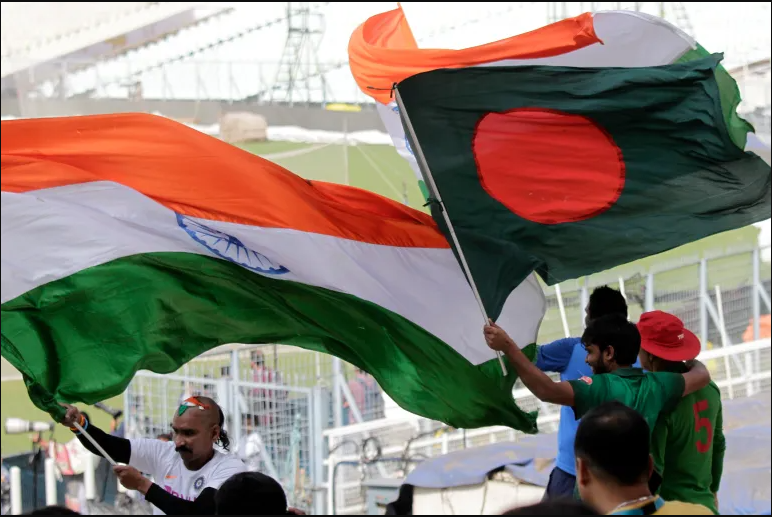

In a subtle yet significant diplomatic signal, Bangladesh has reaffirmed its commitment to an independent and balanced foreign policy, distancing itself from speculation that it is aligning with the China-Pakistan strategic axis a concern long held by Indian security circles.
The assertion comes amid renewed regional scrutiny after Dhaka’s recent participation in several China-led initiatives, including infrastructure investments under the Belt and Road Initiative (BRI). This, coupled with growing military cooperation between China and Pakistan, has led to unease in New Delhi regarding the strategic orientation of its eastern neighbor.
However, senior Bangladeshi officials have categorically dismissed any suggestion of shifting allegiances.
“Bangladesh values its relationships with all major powers but remains steadfast in its non-aligned, sovereign foreign policy,” Foreign Minister Dr. Hasan Mahmud told reporters in Dhaka this week. “We are not party to any axis, nor do we intend to be.”
A Tightrope Walk Between Powers
Observers note that Bangladesh’s increasing economic cooperation with China is pragmatic, driven largely by infrastructure financing and trade needs, rather than ideological or military alignment. China is Bangladesh’s largest trading partner and a significant source of development loans. Yet, Dhaka has also maintained strong ties with India, the United States, Japan, and other key players in the Indo-Pacific.
“Dhaka is playing a delicate balancing act,” said Dr. Meenakshi Raut, a regional analyst at the Institute of South Asian Studies in New Delhi. “It seeks Chinese capital but remains sensitive to Indian security concerns. It’s not choosing sides; it’s hedging.”
India has historically viewed Bangladesh as a key partner in maintaining stability in the eastern subcontinent. Strategic collaboration between the two has deepened over the last decade, particularly in counterterrorism, trade, and connectivity. Prime Minister Narendra Modi and Prime Minister Sheikh Hasina have met multiple times in recent years to reaffirm bilateral commitments.
The Pakistan Factor
Compounding Indian anxieties is Bangladesh’s occasional diplomatic outreach to Pakistan, particularly in multilateral forums. But analysts stress that these interactions are limited and largely ceremonial.
“Bangladesh and Pakistan have a fraught history,” said Brig. (Retd.) M. Hossain, a Dhaka-based security commentator. “There is no public or political appetite in Bangladesh for deepening military or strategic ties with Islamabad.”
Bangladesh continues to uphold its 1971 legacy, which saw its liberation from Pakistan through a bloody war supported by India. Domestic sentiment toward Pakistan remains cautious, if not hostile, among many citizens and veterans’ groups.
Looking Ahead
With elections approaching in both India and Bangladesh within the next 12 months, diplomatic rhetoric is likely to intensify. Still, experts suggest that both nations have too much at stake economically and strategically to let suspicions derail decades of cooperation.
“It’s natural for India to keep a watchful eye on Chinese influence in South Asia,” said Dr. Raut. “But it should not confuse economic pragmatism with strategic betrayal.”
For now, Bangladesh’s message is clear: it seeks growth, not alignment.