
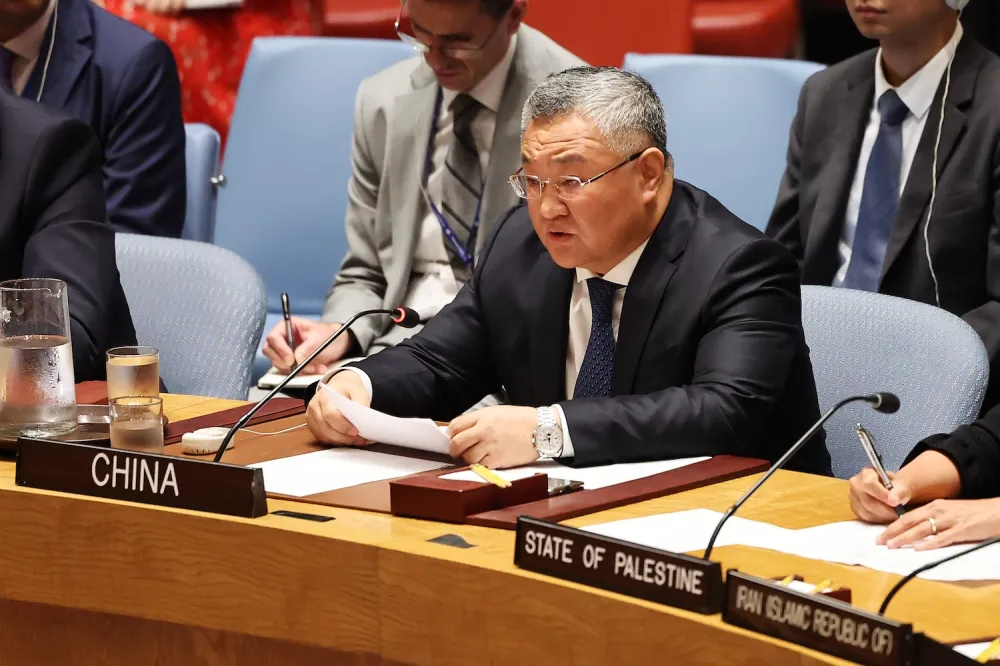

China has significantly intensified its diplomatic efforts in the Middle East, seeking to position itself as a stabilising influence amid ongoing regional turmoil that threatens global shipping, energy flows, and supply chains.
On Wednesday, Chinese Foreign Minister Wang Yi engaged in high-level discussions with counterparts in Türkiye and Egypt, while Beijing’s top Middle East envoy, Zhai Jun, held talks with Gulf ambassadors in the Chinese capital. The coordinated outreach reflects Beijing’s strategy to demonstrate reliability and diplomatic weight in a region increasingly beset by conflict and uncertainty.
The escalation in Chinese diplomatic activity comes as tensions in the Middle East have begun to ripple across the global economy. Disruptions to shipping lanes and energy exports are affecting markets from Asia to Europe, while inflationary pressures and strained supply chains add urgency to international efforts to mediate peace. China, which has historically sought a non-confrontational approach in its foreign policy, appears keen to assert itself as a neutral broker capable of facilitating dialogue among regional powers.
Analysts note that China’s intensified involvement serves multiple strategic goals. By positioning itself as a mediator, Beijing can safeguard its energy imports from the Middle East, a critical component of China’s growing energy demands, while also enhancing its political influence in a region traditionally dominated by Western powers. The effort underscores China’s broader ambitions to expand its role as a global diplomatic actor capable of navigating crises in key geostrategic regions.
Wang Yi’s conversations with Turkish and Egyptian officials reportedly focused on stabilising energy flows, promoting humanitarian support, and exploring avenues for dialogue between conflicting parties. Meanwhile, Zhai Jun’s meetings with Gulf ambassadors aimed to reinforce China’s commitment to regional stability and its interest in long-term partnerships with Gulf nations. By engaging multiple actors simultaneously, China is signalling its readiness to take a proactive role in mitigating the economic and security fallout from the Middle East conflict.
Observers highlight that China’s strategy aligns with its wider Belt and Road Initiative objectives, where stable trade routes and reliable energy access are essential. As tensions threaten shipping corridors, Beijing’s diplomatic efforts can be interpreted as both a protective measure for its economic interests and a bid to bolster its image as a responsible global power.
While it remains to be seen whether China can successfully mediate in a complex and volatile environment, the accelerated diplomacy indicates Beijing’s willingness to engage directly with both regional and global actors. As the Middle East crisis continues to unfold, China’s active outreach may shape the trajectory of negotiations and influence how other major powers respond to ongoing conflicts affecting international markets and supply chains.
The coordinated push highlights China’s growing confidence in its diplomatic capabilities and its determination to secure both economic and strategic interests while positioning itself as a credible actor in an increasingly unstable region.