
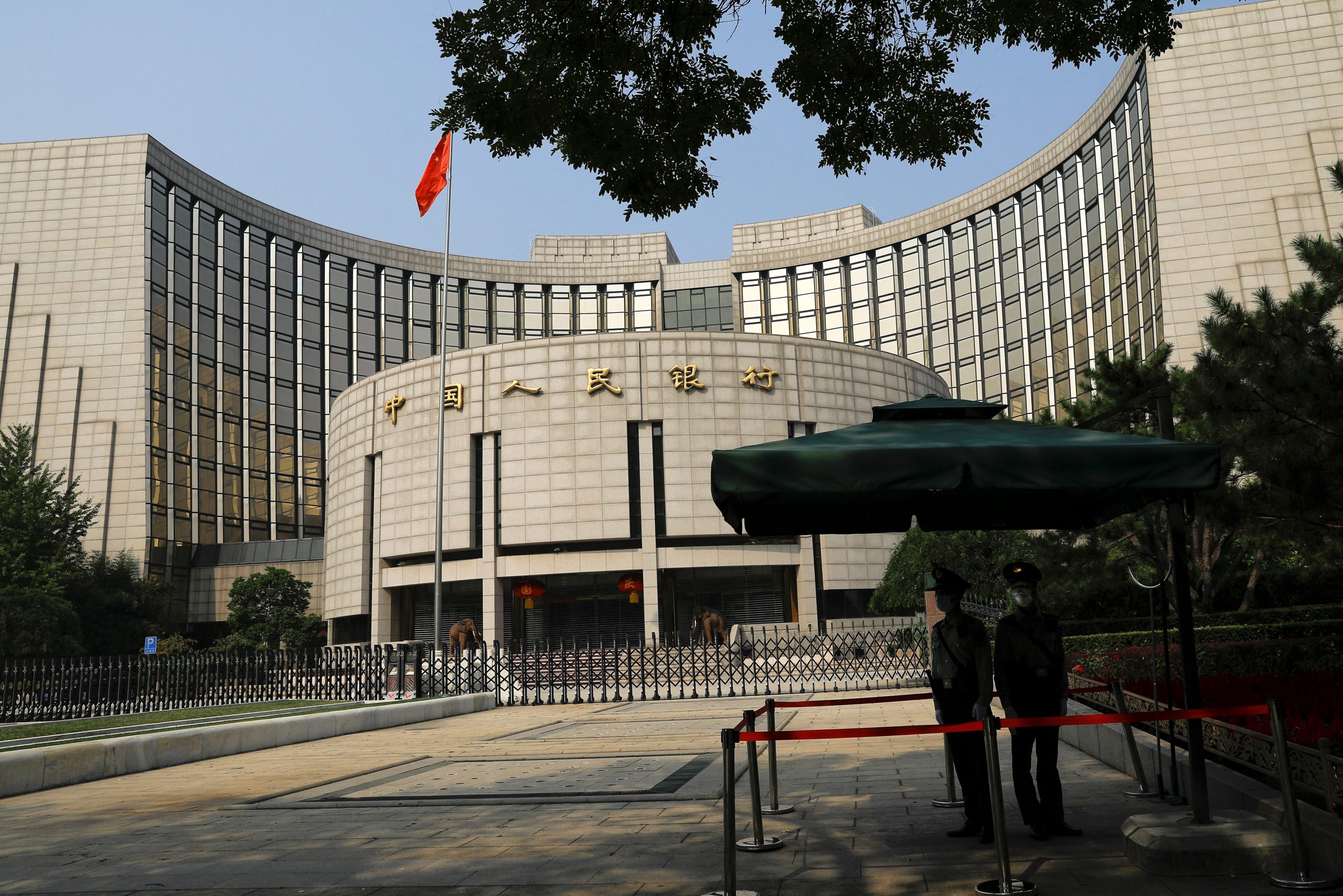

Shanghai/Singapore – In an effort to bolster the slowing recovery of the world’s second-largest economy, China has reduced two key benchmark lending rates for the first time in 10 months.
On Tuesday, the one-year loan prime rate (LPR) was lowered by 10 basis points to 3.55%, while the five-year LPR was cut by the same margin from 4.3% to 4.2%.
A recent Reuters poll of 32 market participants indicated that all respondents expected reductions in both rates.
The majority of new and existing loans in China are tied to the one-year LPR, while the pricing of mortgages is influenced by the five-year rate. China’s last rate cut for both LPRs occurred in August 2022 as part of efforts to stimulate the economy.
This latest rate cut by China’s authorities reflects their ongoing commitment to support and strengthen the country’s economy, which has been experiencing a slowdown in its recovery. By reducing the one-year and five-year loan prime rates, the government aims to encourage borrowing and stimulate economic activity.
The one-year LPR serves as a benchmark for most loans in China, including business loans and personal loans. Lowering this rate will make borrowing more affordable for businesses and individuals, potentially spurring investment and consumption. The reduction in the five-year LPR is particularly significant for the housing market, as it affects mortgage rates, making homeownership more accessible and affordable for potential buyers.
This move comes at a crucial time for China, as recent economic data has shown signs of a slowdown in sectors such as manufacturing and retail. By implementing this rate cut, Chinese authorities are proactively addressing the challenges faced by the economy and taking steps to maintain stable growth.
It is worth noting that this rate cut follows discussions among Chinese government officials about measures to support economic growth. The reduction in lending benchmarks is expected to provide an added boost to the economy and contribute to the overall recovery efforts.
As China continues to navigate its path towards sustainable growth, these rate cuts demonstrate the government’s commitment to implementing necessary measures to ensure economic stability. Market participants and analysts will closely monitor the impact of these rate reductions on various sectors of the economy, with hopes of seeing a revitalization in business activity and consumer spending.
Furthermore, these actions by China’s central bank may have broader implications for the global economy. As the world’s second-largest economy, any significant shifts in China’s monetary policies can have ripple effects on international markets and trade dynamics. Therefore, global investors and businesses will closely observe the outcomes of these rate cuts and adjust their strategies accordingly.
As the situation unfolds, it will be essential to monitor China’s economic indicators and assess the effectiveness of these rate cuts in stimulating growth. The government’s actions will play a crucial role in shaping the country’s economic trajectory in the coming months and influencing the global economic landscape.