
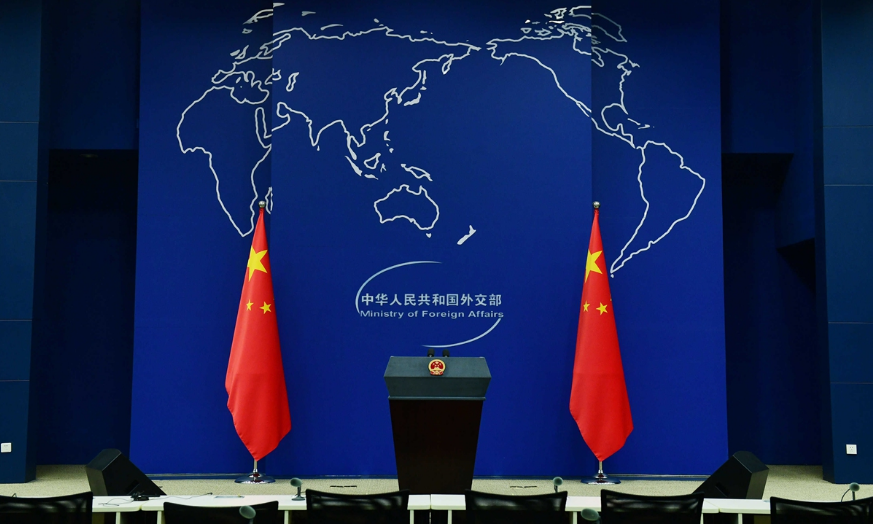

The Chinese Foreign Ministry released a comprehensive proposal on the reform and development of global governance, emphasizing the need for true multilateralism and the central role of the United Nations (UN) in international affairs. The proposal covers key areas such as peace, security, development, human rights, and society, along with institutional reforms.
China’s latest stance and proposals on global governance are outlined in the document, addressing various global hotspot issues. These include the Ukraine crisis, nuclear issues concerning Iran and the Korean Peninsula, the Afghanistan situation, the Palestine-Israel conflict, and regional issues in Syria, Sudan, Libya, and Yemen. China’s positions align more closely with those of developing countries, emphasizing justice and fairness rather than submission to hegemony.
Regarding the Ukraine crisis, the proposal calls for de-escalation and the abandonment of the Cold War mentality, advocating for a balanced, effective, and sustainable European security architecture. On the Korean Peninsula nuclear crisis, it urges restraint and dialogue facilitation over sanctions and pressure.
Chinese experts believe that the document reflects the need for positive, effective, and widely accepted global governance ideas to address current global challenges marked by turbulence, divisions, and confrontations. The traditional Western-dominated approach to global governance is seen as outdated and dysfunctional, leading to global risks, divisions, and confrontations. China’s proposal aims to counter unfairness and imbalances in global governance.
The document also addresses emerging frontiers in global governance, including the deep sea, polar regions, outer space, cyberspace, digital technology, and artificial intelligence (AI). It calls for inclusive and shared governance principles in these areas, safeguarding the rights and participation of developing countries. It advocates for a cyberspace characterized by peace, security, openness, and cooperation, opposing militarization and division.
In summary, the proposal underscores China’s commitment to promoting true multilateralism, advocating for fair global governance, and addressing various global challenges by collaborating with the international community.
Source: Global Times
Analysis:
The release of the Proposal of the People’s Republic of China on the Reform and Development of Global Governance underscores China’s commitment to multilateralism, fair global governance, and addressing pressing global challenges. The proposal outlines China’s positions and recommendations on a wide range of international issues, including conflicts, crises, and emerging global frontiers.
- Multilateralism and UN-Centric Approach: China emphasizes the importance of true multilateralism and the central role of the United Nations (UN) in international affairs. It calls for international cooperation and upholding the UN system, advocating for reforms and improvements in global governance. This approach aligns with China’s commitment to a more inclusive and equitable international order.
- Conflict Resolution and Peace: The proposal addresses global conflicts and crises, including the Ukraine crisis, nuclear issues in Iran and the Korean Peninsula, the Afghanistan situation, and the Palestine-Israel conflict. China’s stance emphasizes dialogue, diplomacy, and the pursuit of peaceful solutions over unilateral actions, sanctions, or military approaches.
- Global Governance in Emerging Frontiers: China recognizes the evolving challenges in areas such as cyberspace, outer space, deep sea exploration, and emerging technologies like AI. The proposal highlights the need for shared governance principles, inclusivity, and the protection of the rights and participation of developing countries in these frontier areas. It opposes the weaponization and militarization of these spaces.
- Digital and Cyber Governance: The document emphasizes the importance of peace, security, openness, and cooperation in cyberspace. It calls for the prevention of camp-based divisions and geopolitical competition in the digital realm, highlighting the need to protect countries’ legitimate right to development in the digital age.
- Alignment with Developing Countries: China’s positions in the proposal align more closely with those of developing countries, emphasizing fairness, justice, and the rejection of hegemonic approaches. This reflects China’s commitment to fostering solidarity with the majority of the international community.
The proposal demonstrates China’s proactive role in shaping global governance, advocating for multilateral solutions to global challenges, and prioritizing fairness and justice in international affairs. It reflects China’s vision for a more inclusive and equitable world order based on cooperation, dialogue, and shared governance principles.