
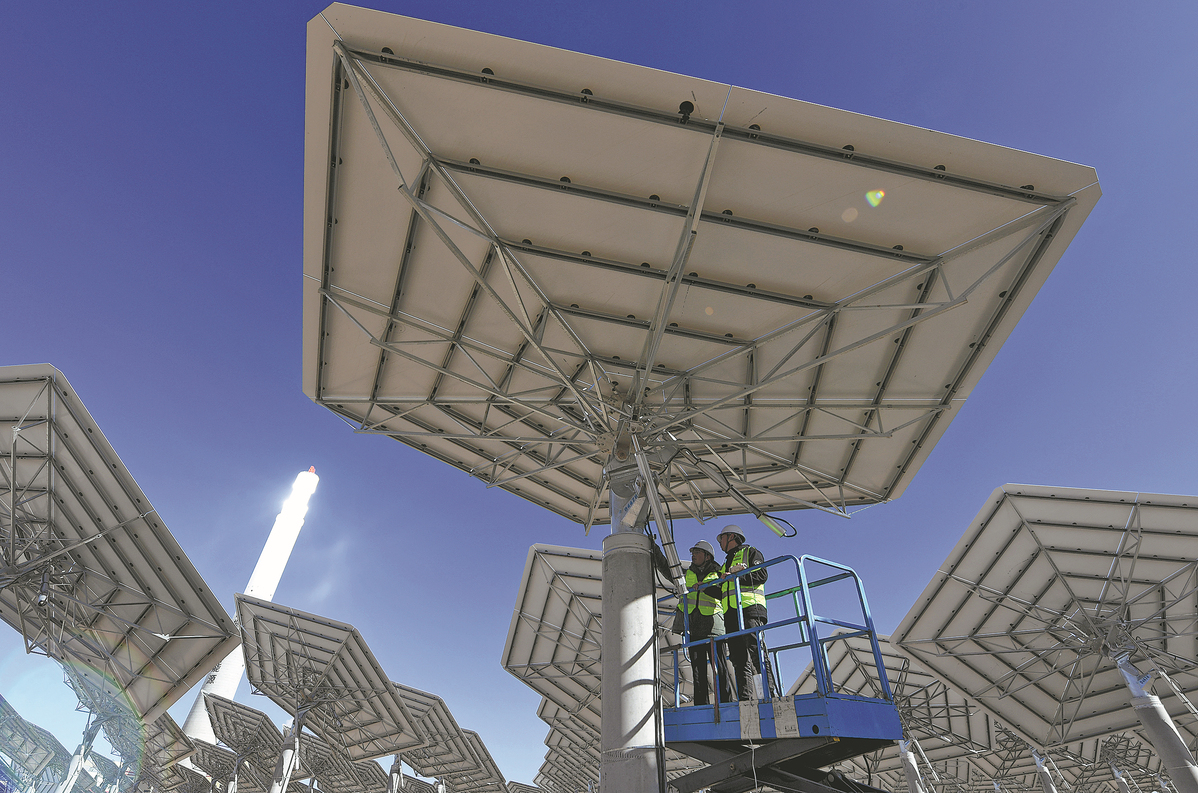

Beijing, China — China is poised to enhance its energy self-sufficiency and solidify its position as a global leader in renewable energy in the coming years, according to the National Energy Administration (NEA) during a conference on Sunday. With a continued emphasis on clean energy expansion and energy security, China is accelerating efforts to boost both its fossil fuel output and renewable energy capacity.
Steady Growth in Energy Production and Self-Sufficiency
China has achieved significant milestones in energy production, with crude oil production rising for six consecutive years and natural gas output increasing for eight straight years. This growth has led to a marked improvement in China’s energy self-sufficiency rate, which is expected to exceed 80% in 2024. The NEA highlighted these achievements as key to the country’s broader energy security strategy.
Additionally, China’s total power generation capacity stands at 3.32 billion kilowatts as of this year, with total electricity output reaching 10 trillion kilowatt-hours, representing a 5.7% year-on-year increase. These figures reflect the country’s ongoing efforts to meet the growing domestic demand for energy while pushing forward with its transition to greener energy sources.
Renewable Energy Surge: Wind, Solar, and Nuclear Growth
A central focus of China’s energy strategy is its rapid transition to renewable energy. This year, China is on track to add more than 300 gigawatts (GW) of renewable energy capacity, which will constitute over 85% of all newly installed capacity. According to the NEA, the country’s wind and solar energy sectors have seen accelerated growth, particularly in large-scale projects in arid regions such as the Gobi Desert.
As of the latest reports, China has installed approximately 510 million kW of wind power and 840 million kW of photovoltaic (solar) power, with a utilization rate above 95%. This rapid expansion is positioning China to not only meet its domestic energy needs but also to become a major player in the global renewable energy market.
In addition to wind and solar energy, China has transformed and upgraded 180 million kW of coal power units and eliminated over 8 million kW of outdated coal capacity this year. The proportion of intelligent production capacity in total coal power generation has now surpassed 50%, further aligning with the country’s green development goals.
Advancements in Hydropower and Nuclear Energy
China has also made significant strides in hydropower and nuclear energy. The country’s total hydropower capacity has reached 435 GW, with large-scale hydropower projects progressing steadily throughout the year. Furthermore, China has become the world’s largest nuclear power producer, with 102 nuclear reactors either in operation or under construction, representing a total installed capacity of 113 GW.
These diverse energy sources—wind, solar, hydropower, and nuclear—are expected to play pivotal roles in ensuring China’s energy security and green development in the coming decades.
Record-Breaking Solar Growth
Looking ahead, solar energy remains a cornerstone of China’s renewable strategy. In 2024, China is expected to add around 250 GW of new solar power capacity, bringing its total installed capacity to over 850 GW. This would account for more than a quarter of the country’s total power generation capacity, cementing China’s dominance in the global solar industry.
According to Rystad Energy, China is set to break records in solar power installations, with the country’s total installed solar photovoltaic (PV) capacity expected to exceed 1,000 GW by the end of 2026. The consultancy forecasts 255 GW of new solar PV installations in 2024, with significant surges in the final months of the year, particularly in November (20 GW) and December (50 GW).
With nearly 60% of global solar installations expected to come from China this year, the country is leading the world in solar energy development. This trend reflects China’s aggressive push to reduce carbon emissions and accelerate its transition to a low-carbon economy.
The Road to a Unified National Power Market
Looking further into the future, China plans to take significant steps toward optimizing its energy market. By 2025, the country aims to establish a national unified power market that integrates renewable energy resources and optimizes the distribution of electricity across its vast national grid. This system will provide equal access to power for all regions, promote competition, and enable more efficient pricing.
According to Wang Hongzhi, head of the NEA, the government will also focus on ensuring the continuity of medium- and long-term electricity markets, with a goal of achieving full provincial coverage of electricity spot markets. This ambitious project is designed to enhance market integration, streamline energy distribution, and further reduce inefficiencies within the grid.
Conclusion
China’s energy sector is undergoing a profound transformation, with renewable energy leading the charge. The country’s energy self-sufficiency rate has risen significantly, bolstered by increased domestic production of crude oil and natural gas. Meanwhile, renewable energy—especially wind, solar, and nuclear power—is growing at an unprecedented rate, positioning China as a global leader in clean energy production.
With bold plans for a unified power market and continued investment in green technologies, China is charting a course toward enhanced energy security, economic resilience, and a greener future. The country’s energy strategy is not only vital for its domestic needs but also plays a critical role in shaping the global energy landscape in the years ahead.