
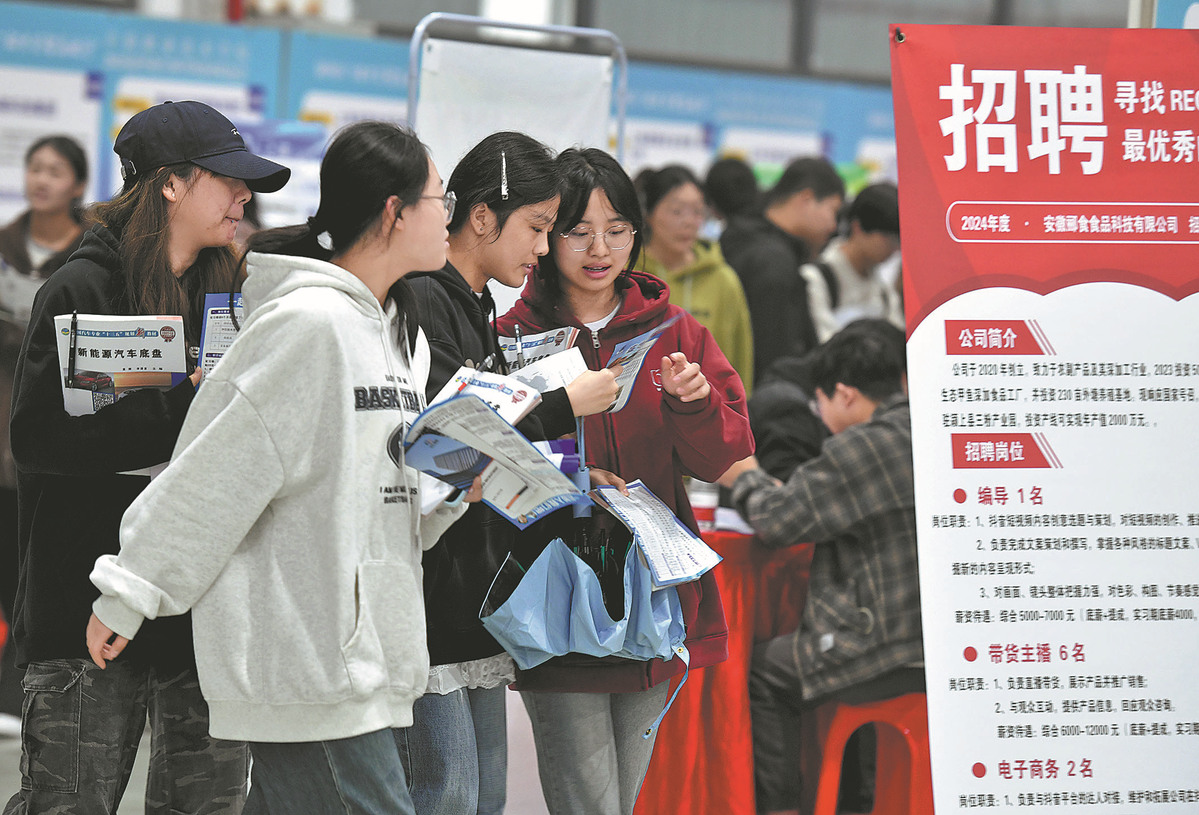

A recent report by Maimai, a Chinese professional networking platform, sheds light on the dynamic and competitive talent market in China’s high-tech and digitally-driven industries. The 2024 annual talent migration report reveals that despite an increasingly competitive job market, salaries in emerging sectors like AI, fintech, e-commerce, and new energy vehicles have shown slight increases, indicating sustained demand for skilled professionals in these fields.
Rising Competition and Talent Demand-Supply Ratio
The talent demand-supply ratio in China’s new economy sectors—comprising industries such as internet, gaming, AI, fintech, e-commerce, and new energy vehicles—has surged in recent years. The ratio has climbed steadily from 1.29 in 2022 and 2 in 2023, reaching 2.06 in the first 10 months of 2024. This means that for every available position in these sectors, there are more than two candidates competing for the job. This growing competition highlights the increasing difficulty job seekers face in securing roles, especially in highly specialized fields.
Slight Salary Increases Amidst High Competition
Despite the rising competition, the report also indicates a moderate upward trend in salaries within these sectors. In 2024, the average monthly salary for new job postings in the new economy sectors reached 42,874 yuan ($5,902). This is a slight increase from 42,789 yuan in 2023 and 41,394 yuan in 2022. While the salary growth is not dramatic, it reflects the ongoing demand for talent in these rapidly evolving industries.
Lin Fan, CEO and founder of Maimai, noted that this rising demand for talent is particularly evident in AI-related roles, with a shortage of core technical talent remaining a significant challenge in the labor market.
Strong Demand for Technical Talent, Especially in AI
The report highlights that the technology sector continues to dominate job openings in China, with AI-related positions leading the demand. Among the most sought-after roles are algorithm engineers, AI engineers, and natural language processing experts. Other high-demand technical positions include Java developers, back-end developers, C++ engineers, and Android developers.
In terms of salary, digital front-end engineers lead the pack, commanding an average monthly salary of 67,728 yuan, making them the highest-paid technical professionals in the sector. For non-technical roles, product management positions have emerged as a major focus, with product supervisors earning an average of 59,241 yuan.
Talent Shortages in Key Technical Areas
Despite the growing demand for talent, talent shortages remain a persistent issue in key technical fields, particularly in AI and cloud computing. The report highlights that cloud computing has the most significant talent gap, with a demand-supply ratio of just 0.27, meaning there are approximately four job openings for every applicant. Other areas facing talent shortages include search algorithms and deep learning, which continue to experience recruitment challenges despite strong recruitment activity over the past few years.
Key Cities and Talent Migration Trends
The report also points to shifting talent migration trends across China. Beijing remains the top city for new job openings, followed by Shanghai, Shenzhen (Guangdong), and Hangzhou (Zhejiang). However, both Beijing and Shanghai are experiencing talent outflows, as indicated by their talent inflow-outflow ratios falling below 1. This suggests that more professionals are leaving these traditional tech hubs in favor of cities with growing innovation and tech ecosystems, such as Suzhou (Jiangsu), Shenzhen, and Hangzhou, which are seeing stronger talent inflows.
This shift in talent migration reflects the growing appeal of second-tier cities as innovation hubs, where companies are investing heavily in technological development and startup ecosystems.
Implications for Companies and Employee Well-being
Tang Qiuyong, Executive Director at the Chinese human resources think tank HRflag, commented that while companies are under increasing pressure to cut costs and improve efficiency, it is crucial not to compromise employee well-being in the process. He emphasized that efficiency gains should be driven by technological innovation and the use of advanced tools rather than by overburdening employees. This approach will help ensure sustainable growth and retention of top talent in China’s competitive job market.
Conclusion
China’s talent market in the new economy sectors remains highly competitive, with rising demand for skilled professionals in AI and other tech-driven industries. While salaries have shown slight increases, talent shortages, particularly in AI, cloud computing, and deep learning, continue to create challenges for companies seeking qualified candidates. The migration of talent to second-tier cities highlights the shifting dynamics in China’s job market, with cities like Suzhou, Shenzhen, and Hangzhou gaining prominence as emerging tech hubs.
As companies continue to navigate this competitive landscape, investing in employee well-being and technological innovation will be key to attracting and retaining the talent needed to fuel growth in China’s rapidly evolving digital economy.