
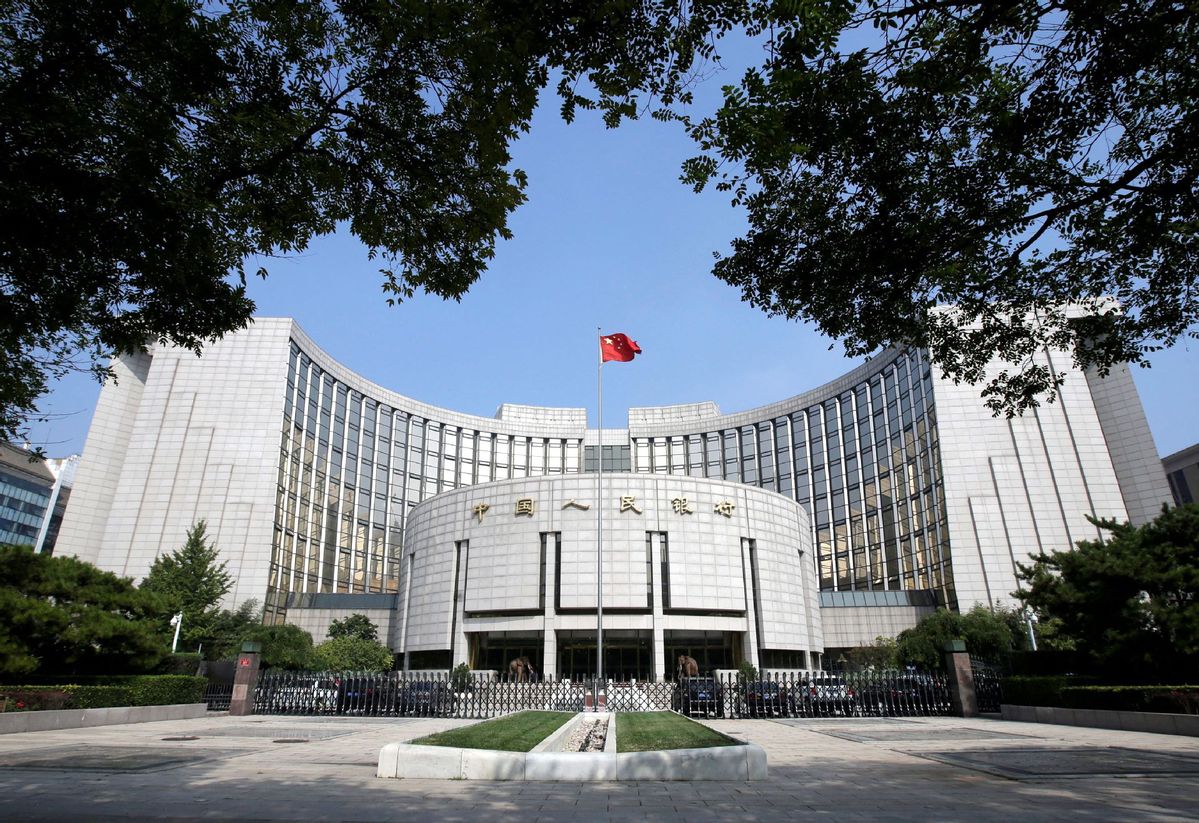

November 12, 2024 — China’s central bank reaffirmed its commitment to a supportive monetary policy stance on Monday, signaling a continued focus on stimulating economic growth and fostering high-quality development. This follows a recent shift in economic policy toward greater demand-side management, signaling a move to accommodate increased government bond issuance and address the country’s economic challenges.
Monetary Policy Outlook
Pan Gongsheng, Governor of the People’s Bank of China (PBOC), emphasized that the central bank would intensify countercyclical adjustments, ensuring that liquidity remains sufficiently abundant and financing costs for enterprises and households stay manageable. His remarks suggest that the central bank will maintain a proactive approach to economic stabilization through 2025.
“We will adhere to a supportive monetary policy stance and increase the intensity of monetary policy adjustments,” Pan said, noting that the central bank is focusing on creating favorable conditions for stable growth. This includes efforts to address market volatility and optimize the formation and transmission of interest rates, especially in the stock market.
Key Actions Expected: RRR Cut and Bond Issuance
Pan’s statements came after the approval by Chinese lawmakers on Friday of a substantial increase in the local government special bond ceiling. The approved increase of 6 trillion yuan ($833 billion) aims to replace existing hidden debt and is expected to be allocated evenly through 2026, with 2 trillion yuan designated for 2025.
Economists, including Feng Jianlin, Chief Economist at Beijing FOST Economic Consulting Co, suggest that the PBOC is likely to lower the reserve requirement ratio (RRR) to accommodate the bond issuance. A cut of approximately 0.5 percentage points would free up roughly 1 trillion yuan in long-term liquidity, which would complement the fiscal expansion. Additionally, Feng predicts that the central bank could inject further liquidity through new open market operations, such as outright reverse repurchase agreements (repos), while withdrawing some short-term liquidity to maintain a balanced approach.
Inflation and Economic Conditions
Despite the ongoing policy shifts, China’s consumer price index (CPI) growth slowed to just 0.3% year-on-year in October, marking a four-month low and down from 0.4% in September. This highlights the challenges in maintaining economic momentum, especially in the face of weak corporate financing and a slow recovery in residential lending, both of which point to the necessity for continued monetary and fiscal support.
Li Yong, a fixed-income analyst at Soochow Securities, noted that cutting the RRR is now essential not only for facilitating the smooth issuance of special bonds but also to support the goal of achieving a “reasonable rise in prices,” as the country grapples with low inflation.
Fiscal Expansion and Debt Outlook
On the fiscal front, experts suggest there is room for further adjustments to China’s fiscal policy. Yang Zhiyong, President of the Chinese Academy of Fiscal Sciences, pointed out that there remains potential for China to increase its debt levels and expand the deficit-to-GDP ratio in 2025 to support economic stability. However, Ming Ming, Chief Economist at CITIC Securities, cautioned that while fiscal and monetary support would likely continue, further cuts to interest rates may be limited due to constraints posed by banks’ net interest margins and fluctuations in the renminbi exchange rate.
Conclusion
China’s central bank is entering the final quarter of 2024 with a clear focus on maintaining sufficient liquidity and supporting economic recovery. By continuing its accommodative monetary stance and coordinating with fiscal measures, the PBOC aims to ensure that both short-term stability and long-term economic development are prioritized. However, experts warn that while there is room for policy adjustments, particularly in the form of an RRR cut, the scope for significant further interest rate cuts may be limited in the face of structural economic constraints.