
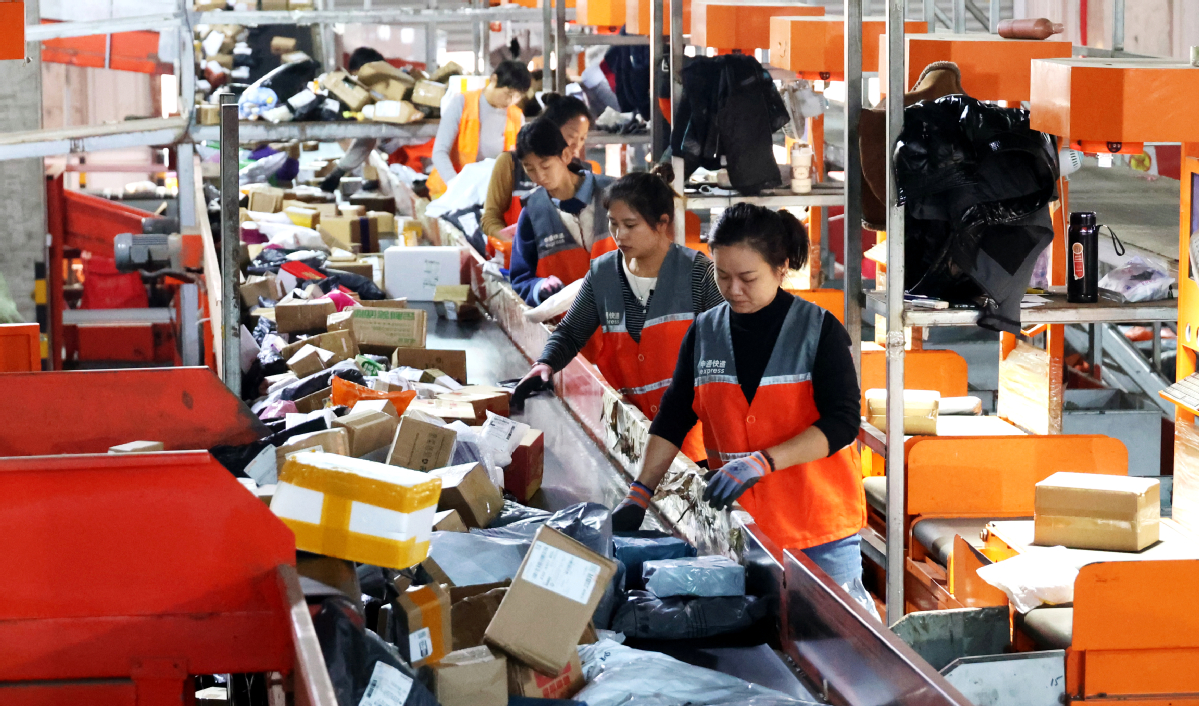

November 12, 2024 — China’s Singles Day shopping festival, the world’s largest online shopping event, has once again proven to be a key driver of the country’s economic recovery, particularly in the consumer electronics and home appliance sectors. This year’s event, which began in mid-October and reached its peak on November 11, saw a surge in sales driven by vibrant consumer demand for high-end, AI-powered devices.
AI Integration Fuels Retail Growth
Experts note that the integration of artificial intelligence (AI) has played a pivotal role in enhancing the efficiency of e-commerce platforms, providing consumers with personalized recommendations, and ultimately boosting sales. Platforms like Alibaba’s Tmall and JD.com have reported strong results across a range of categories, especially for premium intelligent devices and home appliances, highlighting the growing purchasing power of Chinese consumers.
According to Tmall, over 139 household appliance brands saw their sales exceed 100 million yuan ($13.9 million) during the promotional period, fueled by government subsidies and trade-in programs for consumer goods. Brands such as Huawei, Xiaomi, Oppo, and Apple also experienced strong sales, with 34 consumer electronics brands exceeding 100 million yuan in turnover.
The most significant growth was seen in the high-end smartphone sector, where sales of domestically manufactured Android phones priced above 4,000 yuan grew by 57% year-on-year. JD.com also reported explosive growth in specific categories, with sales of mini LED TVs and robotic vacuum cleaners surging more than twelvefold, and gaming laptops, AI smartphones, and 4K projectors posting growth in the range of 100-120% year-on-year.
Consumer Goods Trade-In Program and Smart Retail Strategies
A key driver of this growth has been the consumer goods trade-in program — a government-backed initiative that allows consumers to exchange old devices for discounts on new purchases. This program, combined with massive shopping subsidies from both the government and e-commerce platforms, has helped stimulate demand for electronic devices and home appliances.
Yu Jian, managing director of CTR Media Convergence Institute, noted that this year’s promotions have shifted towards a more pragmatic and straightforward approach, with direct price reductions now a key strategy. This reflects a more cautious attitude from consumers, who are now more deliberate in their purchasing decisions amid broader economic challenges.
Generative AI in Retail
Retailers have invested heavily in generative AI technologies to enhance customer engagement and improve operational efficiency during the festival. JD.com, for instance, has employed AI-powered chatbots to provide real-time customer assistance and personalized product recommendations, while Pinduoduo has used AI to optimize sales strategies based on consumer preferences and market trends.
James Yang, head of Bain & Company’s Greater China retail practice, highlighted that the success of retailers this year has been driven by their ability to leverage AI tools to hyper-personalize the shopping experience. “AI tools can energize customer retention efforts and help e-commerce players create bespoke shopping experiences for their consumers,” Yang said.
Strategic Shifts and Consumer Confidence
This year’s Singles Day also saw retailers shift their focus towards long-term growth rather than just short-term sales. As Chinese consumers have become more prudent, there has been an increasing emphasis on enhancing the user experience and building brand loyalty. Experts believe that the ongoing use of AI, combined with the rollout of new products, will help retailers strengthen their market positions in the long run.
Ray Hu, partner at global consultancy EY, noted that China’s recent financial policies have improved market sentiment, leading to higher consumer confidence. He predicted that premium domestic products and those offering “high value for money” will dominate the consumption landscape in China in 2025.
Looking Ahead: The Future of Consumer Consumption
Wang Yun, a researcher at the Chinese Academy of Macroeconomic Research, stated that the Singles Day shopping festival plays a crucial role in stimulating consumer spending and unlocking new consumption potential. However, he emphasized that continued stimulus policies are needed to further stabilize employment, improve household incomes, and encourage new forms of consumption.
As China’s economy continues its recovery, retail trends suggest that AI-powered, consumer-centric innovations will be central to sustaining growth. The strong performance of electronics and home appliances during this year’s Singles Day demonstrates that Chinese consumers remain eager to invest in high-quality, innovative products that enhance their lifestyles.
In conclusion, China’s Singles Day has not only demonstrated the strength of consumer demand but also underscored the critical role of AI and smart retail strategies in shaping the future of the country’s e-commerce sector. Retailers that can effectively leverage these technologies will be well-positioned for sustained success in the coming year.