
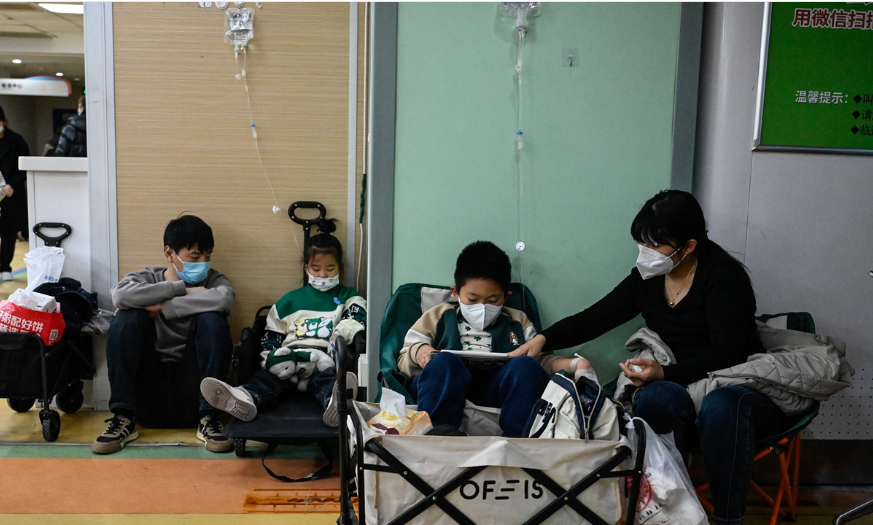

Hospitals across China are grappling with an upswing in cases of respiratory illnesses in children, notably a spike in mycoplasma pneumonia. Initiatives, such as expanding treatment facilities, boosting medical staff, and extending working hours, have been implemented to manage the surge. Although outpatient and inpatient visits for respiratory illnesses have increased, the health system is not overwhelmed, as experienced during the early stages of the COVID-19 pandemic.
Renowned children’s hospital, the Capital Institute of Pediatrics in Beijing, has undertaken enhancements, including a significant increase in infusion seats and expanded pneumonia beds. The number of available doctors has risen by 86.36%, and a dedicated fast-track system aids critically ill children.
Similar efforts are observed at the First Affiliated Hospital of Henan University of Chinese Medicine, which has repurposed pediatric wards formerly used for COVID-19 patients. Working hours have been extended, and the hospital accommodates a substantial daily influx of over 2,000 visits, predominantly for respiratory tract infections.
While major hospitals implement measures to alleviate pressure, community hospitals play a crucial role. Patients, like one Beijing mother, report effective treatment at community hospitals, emphasizing the need to avoid overcrowding larger facilities.
The surge in respiratory diseases is primarily attributed to known pathogens, with mycoplasma pneumonia showing increased prevalence. Experts highlight the importance of timely diagnosis and medication. The rise in mycoplasma pneumonia cases is attributed to an “immunization gap,” leaving children susceptible to common viruses.
Amid the surge, certain overseas media reports have been criticized for sensationalizing the situation and questioning China’s transparency. Health experts refute such claims, emphasizing the country’s proactive measures in managing the rise in respiratory illnesses. The reports are deemed biased, with health authorities advising against sensationalizing and ensuring accurate reporting.
Health officials assure the safety of travel to China, debunking concerns raised by sensationalized reports. China’s National Health Commission maintains timely communication with the World Health Organization, dismissing exaggerated worries. Experts emphasize that facts speak for themselves, countering misinformation spread by certain media outlets.