
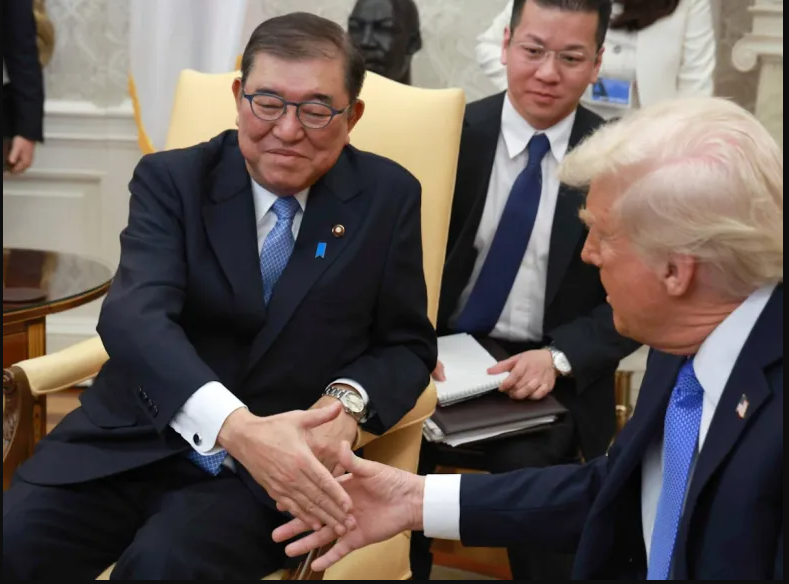

As trade tensions between China and the United States continue to disrupt global markets, Chinese Commerce Minister Li has taken a proactive step to strengthen economic cooperation with Japan. The outreach signals China’s strategic intent to diversify its trade partnerships and reduce reliance on volatile relations with Washington.
In a recent high-level bilateral meeting held in Beijing, Minister Li emphasized the critical role of enhanced China-Japan collaboration in sustaining regional economic stability. He called for expanded dialogue on trade policies, technological exchange, and supply chain resilience — areas both nations recognize as crucial amid shifting global economic dynamics.
Strategic Diversification Amid Trade Uncertainty
The ongoing tariff war between China and the U.S. has led to increased costs and uncertainties for companies and consumers worldwide. Against this backdrop, Beijing’s pivot toward Japan reflects an effort to secure more reliable trade and investment channels within Asia. As the world’s second- and third-largest economies respectively, China and Japan possess complementary strengths that, if leveraged effectively, could cushion their markets from external shocks.
Economic analysts suggest that enhanced bilateral cooperation may also enable both countries to jointly advocate for a more balanced and rules-based international trade system, providing a counterweight to unilateral tariffs and protectionist measures.
Navigating Historical and Geopolitical Complexities
The dialogue between China and Japan takes place against a backdrop of complex geopolitical history and occasional diplomatic tensions. Despite these challenges, both countries share a pragmatic understanding of the economic imperatives at stake.
Minister Li’s outreach signals a willingness to set aside longstanding political differences in favor of pragmatic cooperation, particularly in sectors such as high-tech manufacturing, green energy, and digital infrastructure. These areas are seen as pivotal to sustaining growth and competitiveness in the face of global uncertainties.
Japan’s government has welcomed the renewed dialogue, acknowledging the importance of stable relations with its powerful neighbor. Observers note that strengthening economic ties could also contribute to easing broader regional tensions, promoting peace and prosperity in East Asia.
Implications for the Global Trade Landscape
As the China-U.S. trade conflict shows little sign of abating, China’s engagement with Japan may influence the wider international trade environment. A closer China-Japan economic partnership could encourage other Asian economies to pursue multilateral collaboration and regional integration as alternatives to fragmented trade blocs.
Moreover, such cooperation has the potential to reshape supply chains that have been disrupted by tariffs and geopolitical uncertainties, fostering resilience through diversification and innovation.
source: japantoday.com