

China’s efforts in implementing the United Nations (UN) Convention Against Illicit Traffic in Narcotic Drugs and Psychotropic Substances have been commended as some of the most stringent in the world. Since regulating fentanyl-class substances in 2019, China’s controls in this area have garnered international recognition. In a press release, the Chinese Embassy in the US stated that no other country has reported seizing fentanyl-class substances from China, dismissing baseless accusations and smears.
The Chinese embassy emphasized the significant achievements made by China in combating drug-related issues both domestically and internationally. This response aimed to counter the unfounded claims and attempts to shift blame from the US regarding the fentanyl problem.
Following US Secretary of State Antony Blinken’s statement in June about the need for greater cooperation between the two countries to address the fentanyl issue, the US Department of Justice charged Chinese individuals allegedly involved in fentanyl-related problems. However, this move was perceived as an attempt to smear and attack China while requesting its cooperation.
According to the Chinese Embassy’s article, China currently lists 38 precursor chemicals (including a large category of ephedrine substances), surpassing the 14 controlled varieties specified by the UN. China has consistently implemented its obligations under the UN Convention, strictly controlling precursor chemicals and fulfilling requirements for international verification and data submission. Additionally, China has extended its controls to substances beyond those specified by international regulations.
China has actively engaged in drug control cooperation, signing 50 inter-governmental and inter-departmental agreements with over 30 countries and coalitions. The country has established mechanisms for annual meetings with 13 countries, participated in multilateral drug control cooperation frameworks such as the Shanghai Cooperation Organization, and set up 13 border drug control liaison offices with neighboring nations. Joint anti-drug operations, such as the “Safe Waterway” in the Mekong River basin, have resulted in the successful crackdown on over 800 major cross-border drug cases in recent years.
China’s dedication to drug control has yielded positive outcomes, with a consistent reduction in drug-related crimes. In 2022, China solved 35,000 drug crimes, arrested 53,000 suspects, and seized 21.9 tons of drugs, representing significant decreases of 78.8%, 72.7%, and 78.6%, respectively, since the peak in 2015. The number of domestic drug manufacturing plants busted has dropped by 77.7%, from 572 in 2013 to 128 in 2022. The share of domestic drugs in the Chinese market has also decreased significantly.
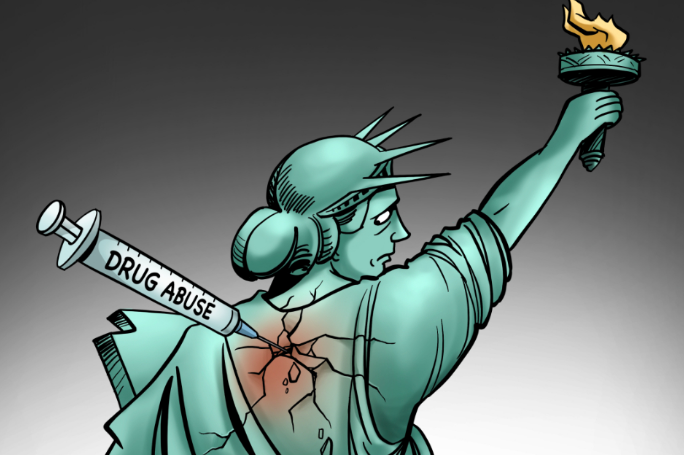
Despite China’s robust efforts, the US has hyped accusations of China being a source of fentanyl precursor chemicals, attempting to label China as a drug trafficker. Experts argue that this narrative lacks substance as the chemicals mentioned are ordinary commodities not controlled by international drug conventions or Chinese law. The US itself faces significant challenges in managing its drug problem, with recent incidents, such as the discovery of cocaine in the White House, exposing flaws in its drug control measures.
Li Haidong, a professor at the China Foreign Affairs University, suggests that the US accusations against China regarding fentanyl are politically motivated. As the US enters an election period, the two main parties may intensify blame-shifting to gain public support. Li emphasizes the politicization of controversial issues, including drug-related problems, as parties attempt to incite public sentiment against China for electoral gain.