
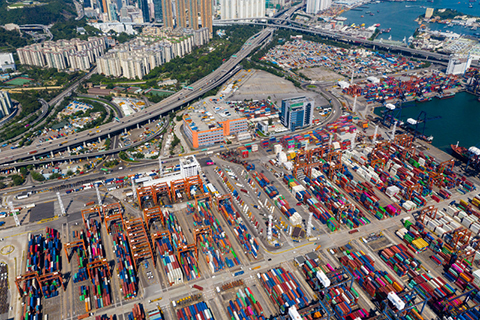

China is one of the world’s largest exporters and importers of goods, with a thriving trade industry that is critical to the country’s economic growth and development. In recent years, China has become increasingly integrated into the global economy, and its exports and imports play a significant role in shaping trade flows around the world.
China’s Export Industry:
China is the world’s largest exporter of goods, accounting for approximately 14% of total global exports. The country is known for its manufacturing prowess, and its export industry spans a wide range of products, including electronics, textiles, machinery, and consumer goods.
One of the key drivers of China’s export industry is its low labor costs, which make it an attractive location for foreign companies looking to produce goods at a lower cost. Additionally, the Chinese government has implemented policies designed to promote exports, including tax incentives, subsidies, and the development of export processing zones.
China’s Import Industry:
China is also a major importer of goods, ranking as the world’s second-largest importer after the United States. The country’s imports include a diverse range of products, such as oil, natural gas, soybeans, and machinery.
One of the main factors driving China’s imports is its need for resources to support its growing economy. The country’s rapid industrialization and urbanization have led to increased demand for commodities such as oil, metals, and agricultural products. Additionally, China’s growing middle class has led to increased demand for consumer goods, including luxury goods and high-end technology products.
Challenges and Opportunities:
While China’s export and import industries have brought significant benefits to the country, they also face a number of challenges and opportunities. One of the key challenges facing China’s export industry is increasing competition from other low-cost manufacturing countries such as Vietnam and Bangladesh. Additionally, rising labor costs and environmental regulations are putting pressure on Chinese manufacturers to improve efficiency and sustainability.
At the same time, China’s import industry faces challenges related to supply chain disruptions and geopolitical tensions that can impact trade flows. However, the country’s growing domestic market presents significant opportunities for companies looking to expand their operations in China. Additionally, China’s Belt and Road Initiative, which aims to increase connectivity and trade with other countries, is expected to drive increased trade and investment in the coming years.
Overall, China’s export and import industries are critical drivers of the country’s economic growth and development. While they face a range of challenges and opportunities, their continued growth and success will be key to China’s future as a global economic powerhouse.