
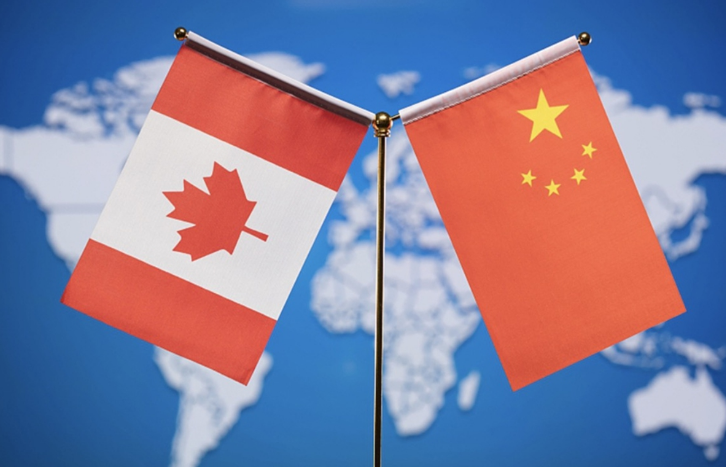

The Chinese Embassy in Canada rebuffed allegations of “China’s interference in Canada’s internal affairs” as groundless political fabrications, responding to Canada’s report accusing China of meddling in its elections, according to statements made on Friday.
Canada released an interim report alleging evidence of foreign interference in its last two federal elections, singling out China as a prominent perpetrator, reported by the BBC. Prime Minister Justin Trudeau reiterated these claims, prompting strong objections from the Chinese Embassy, which denied any meddling in Canadian affairs.
The embassy spokesperson criticized Canada’s report, citing contradictions and ideological bias, and highlighted the lack of conclusive evidence. The report’s reliance on speculative language and contradictory statements undermines its credibility, the spokesperson argued, likening Canada’s accusations to “a thief calling on people to catch a thief.”
Cui Hongjian, a professor at the Academy of Regional and Global Governance at Beijing Foreign Studies University, suggested that Canada’s accusations aimed to deflect internal criticisms by scapegoating China. He highlighted Canada’s persistent smearing tactics, attributing them to domestic political strategies and opportunism.
Canada’s consistent criticism of China, often aligning with its own perspectives on human rights issues, has led to lukewarm relations in recent years, analysts noted. As long as Canada continues its unfounded allegations of Chinese interference and portrays China as an adversary, bilateral relations are likely to remain strained, with potential implications for meaningful communication and collaboration.
With Canada’s negative portrayal, China may become increasingly reluctant to engage with Canada, exacerbating tensions and hindering diplomatic progress. As such, experts warn of the adverse impact on China-Canada relations unless Canada reconsiders its approach.