
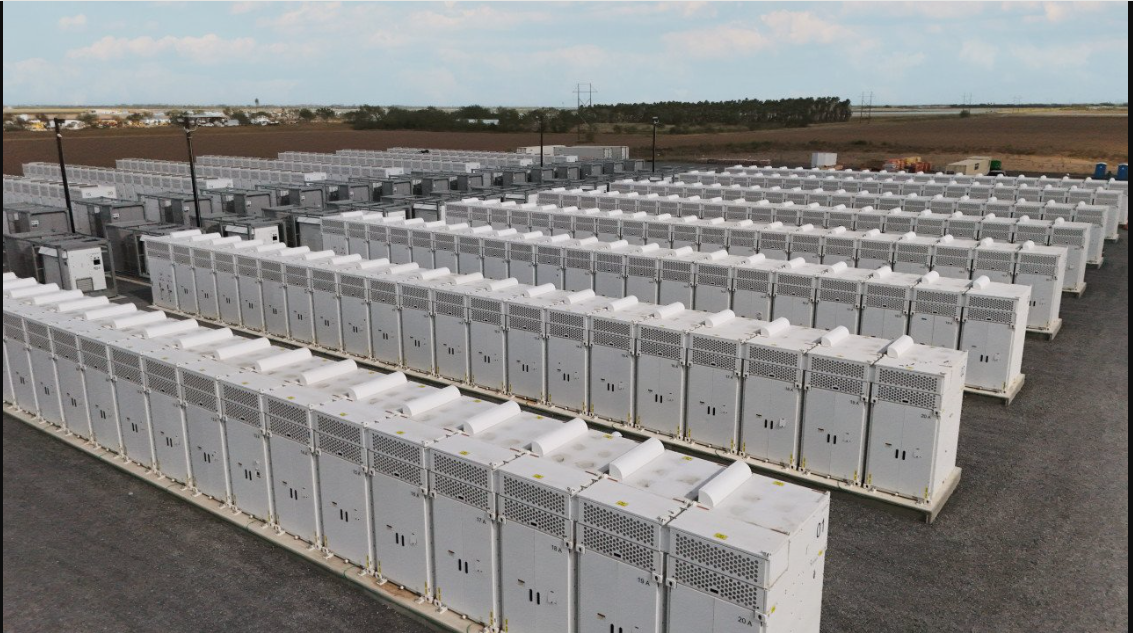

In response to escalating tariffs on Chinese-made solar panels and batteries imposed by the United States, Chinese manufacturers are increasingly turning their attention to developing nations, where demand for renewable energy solutions is growing rapidly. The shift is reshaping global supply chains and could have significant implications for the clean energy transition in poorer countries.
Chinese firms, once heavily reliant on the U.S. market for their solar and energy storage products, are now accelerating their export efforts to regions like Africa, Southeast Asia, and Latin America. These areas are seeing rising demand for affordable renewable energy solutions as they strive to meet their energy needs while combating climate change.
“With the U.S. tariffs making it more difficult to do business in North America, we see an opportunity to expand in emerging markets where the demand for solar and battery storage is surging,” said Li Wei, a senior executive at Longi Green Energy, one of China’s largest solar manufacturers. “Many of these countries are eager to adopt clean energy, and we are able to offer high-quality products at competitive prices.”
The move comes as the U.S. administration has implemented tariffs on Chinese solar panels and batteries in an effort to protect domestic manufacturers and address concerns over unfair trade practices. These tariffs have made Chinese products significantly more expensive for American consumers, leading U.S. companies to seek alternatives, such as increased domestic production or sourcing from countries outside China.
However, while the tariffs have hurt Chinese companies’ ability to compete in the American market, they have opened doors in regions where solar energy adoption is increasingly seen as a critical tool for economic development and environmental sustainability.
In Africa, where millions of people still lack reliable access to electricity, Chinese solar products are being adopted as part of off-grid and mini-grid solutions. In Latin America, countries like Brazil and Chile are investing heavily in renewable energy to reduce their reliance on fossil fuels, and Chinese manufacturers are stepping in to meet the demand.
Southeast Asia is also emerging as a key market. Countries like Indonesia, the Philippines, and Vietnam are ramping up their renewable energy efforts, and Chinese solar and battery products are positioned as affordable, efficient alternatives to more expensive Western-made products.
“Emerging economies are looking for practical solutions to energy access, and China’s ability to offer high-performance products at a fraction of the cost of American or European alternatives makes them an attractive option,” said Dr. Elena Torres, an energy policy expert at the International Energy Agency (IEA). “This trend could accelerate the adoption of renewable energy in regions that are critical to global efforts to combat climate change.”
While the shift to poorer countries presents opportunities for Chinese manufacturers, it also raises concerns among environmental and human rights advocates. Some critics argue that the rapid expansion of solar and battery production may exacerbate issues related to labor conditions and environmental standards in countries where oversight is less stringent.
Despite these challenges, the trend toward exporting to developing nations is likely to continue as both Chinese companies and governments see these markets as vital to the future of global renewable energy. The success of this shift could have far-reaching implications, potentially positioning China as a dominant player in the global clean energy transition especially in the Global South.
source: e360.yale.edu