
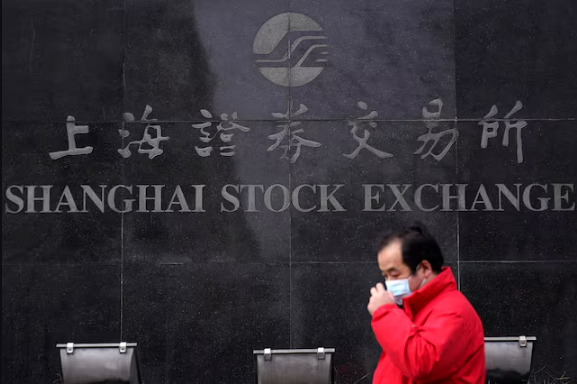

In a strategic move to invigorate China’s bond market and attract a broader base of institutional capital, the Shanghai Stock Exchange (SSE) has quietly rolled out a new framework enabling higher-yield bond issuances, according to sources with direct knowledge of the matter.
The initiative, still in a pilot phase, allows certain issuers particularly those with high credit risk but strong business fundamentals to access the exchange’s main board under relaxed listing thresholds. Market insiders say the change is part of a broader regulatory shift aimed at balancing risk appetite with China’s need to support private enterprise and local government financing vehicles (LGFVs).
“This is the clearest sign yet that authorities are willing to tolerate higher yields in exchange for greater liquidity and market participation,” said one senior fund manager at a Shanghai-based asset management firm, who requested anonymity due to the sensitivity of the matter.
According to two people familiar with the program, the SSE began implementing the new mechanism in early July. The framework is said to feature more flexible pricing rules and relaxed credit rating requirements tools that allow investors to price in risk more accurately, and potentially reap higher returns.
While the exact yield ceilings are not officially disclosed, recent placements under the pilot have reportedly offered annualized returns between 6.5% and 9%, a notable departure from the traditionally conservative tone of China’s onshore credit markets.
The change is seen by analysts as a bold attempt to deepen the country’s capital markets amid persistent pressure on bank lending and heightened concern over local government debt burdens. It also comes as global investors eye Chinese bonds for yield diversification, especially in a climate of rising global interest rates and geopolitical uncertainty.
However, the new model is not without risk. “If not properly regulated, this could open the floodgates to a wave of speculative debt,” warned a regulatory expert at a Beijing think tank. “Investor protection and disclosure standards will be critical.”
The SSE and China Securities Regulatory Commission (CSRC) have not issued public statements about the framework. Requests for comment from the SSE were not immediately returned.
Still, bond market participants say the move is generating buzz and could reshape the risk-reward profile of China’s domestic debt markets.
“This might just be the spark that the onshore bond market needed,” said a fixed-income analyst at a major Hong Kong brokerage. “If managed carefully, it could bring real vitality to both primary issuance and secondary trading.”
As the pilot continues, market participants are closely watching for formal guidance from the CSRC that could set the stage for wider adoption and potentially, a new era of yield-driven investing in the world’s second-largest economy.