

European equities opened cautiously, with the STOXX 600 wavering between gains and losses after data showed rising import costs linked to recently imposed tariffs between the European Union, the United States, and China. Sectors heavily exposed to global trade particularly autos, manufacturing, and consumer goods bore the brunt of investor anxiety.
The euro dipped to $1.0825, retreating from a one-week high, as traders priced in weaker export prospects for the eurozone. Currency analysts noted that the euro’s softness reflects mounting pressure on European firms grappling with higher input prices and supply chain disruptions stemming from tit-for-tat trade measures.
“Markets are in a holding pattern,” said Clara Denzil, global markets strategist at Citadel Partners. “We’re seeing a real-time recalibration of corporate margins, especially in export-driven economies now facing rising production and delivery costs.”
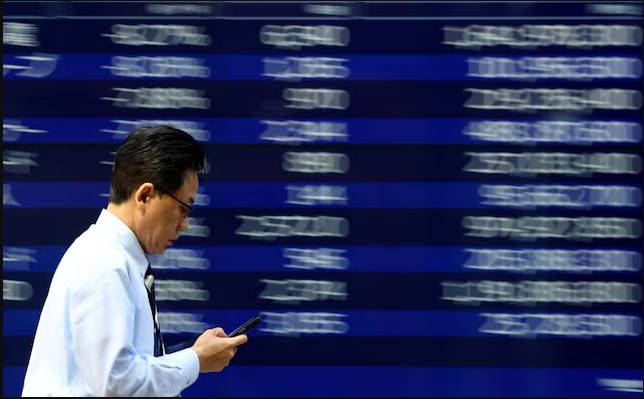
In Asia, stock indices ended the day mixed. While Tokyo’s Nikkei 225 gained slightly, boosted by a weaker yen and strong earnings from tech exporters, Hong Kong’s Hang Seng fell 0.8%, dragged down by worries over consumer demand and trade friction.
On Wall Street, futures pointed to a muted open, with investors cautious ahead of new economic data releases and any further tariff announcements. The tech-heavy Nasdaq was under pressure, reflecting concerns that increased tariffs on imported components could squeeze U.S. firms’ profit margins.
Commodities also felt the ripple effects. Oil prices edged lower as traders feared slower global growth might dampen demand. Meanwhile, copper fell 0.4% on the London Metal Exchange, often seen as a bellwether of global industrial activity.
The latest market reaction comes in the wake of last week’s tariff escalation, in which the EU raised duties on select Chinese electric vehicles, prompting retaliatory rhetoric from Beijing. The U.S. has also indicated it is reviewing its own tariff structure, adding to global economic uncertainty.
“The broader concern is whether this will evolve into a prolonged phase of economic fragmentation,” said Julian Keene, trade policy analyst at the Atlantic Global Institute. “If that happens, supply chains could realign more permanently, which may increase costs and slow down global growth.”
Investors are now closely monitoring upcoming central bank signals, particularly from the European Central Bank and the U.S. Federal Reserve, for clues on how monetary policy might respond to emerging inflationary pressures driven by trade tensions.
As earnings season continues, analysts say corporate guidance will provide further clarity on how businesses are adapting to the new tariff landscape and whether global equities can regain upward momentum amid a backdrop of rising economic nationalism.