
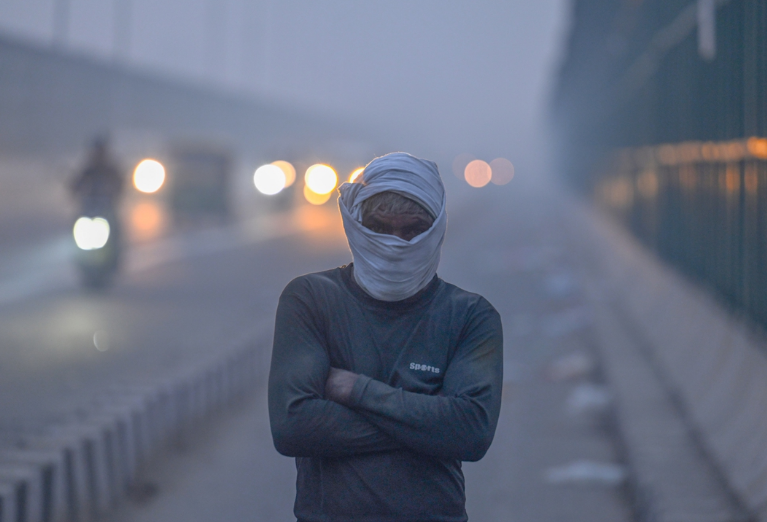

The toxic smog lingering over India in the aftermath of the Diwali festival has once again highlighted the disparity in the efforts made by New Delhi and Beijing to combat persistent air pollution. While Beijing enjoys clearer skies and significantly lower PM2.5 concentrations, three Indian cities, including the capital, recently secured positions among the world’s top 10 most polluted places. New Delhi claimed the unenviable top spot after revelers defied a ban on fireworks during the annual festival of lights.
“Once upon a time, comparisons between New Delhi and Beijing were common in discussions about poor air quality when both Asian capitals were shrouded in heavy smog. However, as of the latest update, Chinese netizens seem less inclined to draw such parallels in their comments on India’s post-Diwali air pollution,” reported the Global Times.
Experts suggest that the apparent disinterest among Chinese netizens in comparing air quality reflects their confidence in China’s overall improvement in air quality, a result of sustained efforts. In contrast, the Indian government faces challenges with weaker organizational and execution capabilities, inadequate public participation, and the recent defiance of the ban on fireworks exacerbating the air quality crisis.
“India, grappling with weeks of toxic haze, has suspended schools in its capital to protect children. Despite government warnings against setting off fireworks, celebrations during the festival led to visible smoke plumes across the country,” noted the report.
According to a ranking by Swiss air purifier company IQAir, New Delhi topped the list as the world’s most polluted city with a hazardous air quality index (AQI) of 407, while Mumbai and Kolkata secured the sixth and seventh positions with AQIs of 157 and 154, respectively. The AQI in New Delhi soared to an alarming 680 after midnight on Sunday.
“The BBC released a report exploring why New Delhi lags behind Beijing in addressing air pollution. The report cited the Chinese government’s effective and swift actions in response to public anger, contrasting it with India’s lack of political determination and pressure from a population grappling with poverty,” the report highlighted.
The Diwali festival further exacerbated India’s severe air pollution stemming from poor infrastructure and energy production. Long Xingchun, a professor at the School of International Relations at Sichuan International Studies University, emphasized the lack of economic capacity for necessary upgrades, pointing to issues like dirt roads, coal burning, and inadequate vehicle emission management.
“While China has made significant progress in improving air quality, occasional haze persists. Beijing, in late October, faced ‘medium pollution,’ prompting an updated emergency response plan for the manufacturing industry. Experts suggest that China and India can enhance cooperation on air pollution, with New Delhi learning from Beijing’s experience. From 2013 to 2022, China’s GDP grew by 67 percent, and PM2.5 concentration dropped by 57 percent, earning recognition from the UN as a ‘Beijing Miracle,'” the report concluded.