
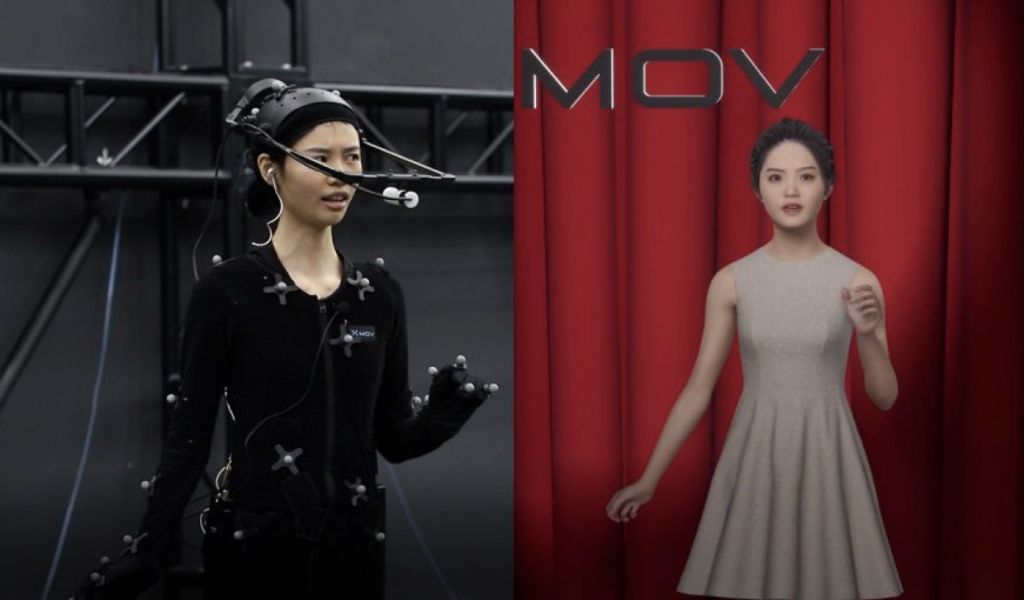

In a groundbreaking ruling, a court in Zhejiang province, China, has recently settled the country’s first legal dispute revolving around virtual humans. The case revolves around a virtual human named Ada, an incredibly lifelike 3D influencer created by Shanghai-based Xmov Technology in 2019.
Using a combination of human actors and artificial intelligence (AI) motion capture technology, Ada made her debut at the prestigious Qingdao Journalist Festival in November of that year. However, three years later, an unnamed Hangzhou-based technology company faced accusations of incorporating Ada’s footage into a video posted on their Douyin account without giving proper credit to Xmov as the original creator.
The emergence of virtual humans as influencers and content creators has sparked a new realm of legal considerations and intellectual property rights. As these virtual beings become increasingly sophisticated and influential in the digital realm, questions surrounding ownership, usage rights, and proper accreditation have come to the forefront. The case of Ada marks a significant milestone in addressing these legal issues and setting a precedent for future disputes involving virtual entities.
The dispute highlights the intricate interplay between technology, creativity, and intellectual property law. Xmov Technology’s creation of Ada required a fusion of cutting-edge AI technology and artistic expression to bring the virtual influencer to life. With her realistic appearance, human-like movements, and ability to engage with audiences, Ada quickly gained a substantial following and became a prominent figure in the virtual world. However, the unauthorized use of her likeness by another company raises important questions about the boundaries of intellectual property rights in the context of virtual beings.
The court’s ruling in favor of Xmov Technology underscores the recognition of virtual humans as valuable intellectual property assets. It affirms the rights of creators and innovators in the virtual realm, emphasizing the importance of crediting and protecting the original work
. This landmark decision sets a precedent for the emerging field of virtual human technology, providing clarity on the legal framework surrounding the creation, ownership, and usage of virtual entities.
Beyond the legal implications, the case of Ada also sheds light on the evolving landscape of influencer marketing and the power of virtual beings in shaping consumer behavior. With their ability to connect with audiences on a personal level, virtual influencers like Ada have become valuable assets for brands and marketers seeking to engage with digital-savvy consumers. As the line between real and virtual continues to blur, businesses and content creators must navigate the legal and ethical considerations surrounding virtual beings to ensure fair practices and protect intellectual property rights.
The ruling in the Ada case has sparked discussions and debates among legal experts, technology enthusiasts, and content creators, further highlighting the significance of this groundbreaking legal dispute.
As virtual humans become more prevalent in various industries, from entertainment to marketing, it is crucial to establish clear guidelines and regulations to safeguard the rights of creators and prevent unauthorized use or exploitation.
This landmark case not only sets a precedent for future legal disputes involving virtual humans but also signifies a broader recognition of the impact and value of virtual entities in the digital landscape.
As technology continues to advance, it is imperative for lawmakers, innovators, and society as a whole to navigate the complex ethical, legal, and social implications of virtual beings, ensuring a fair and responsible approach to their creation, utilization, and protection in the digital age.