
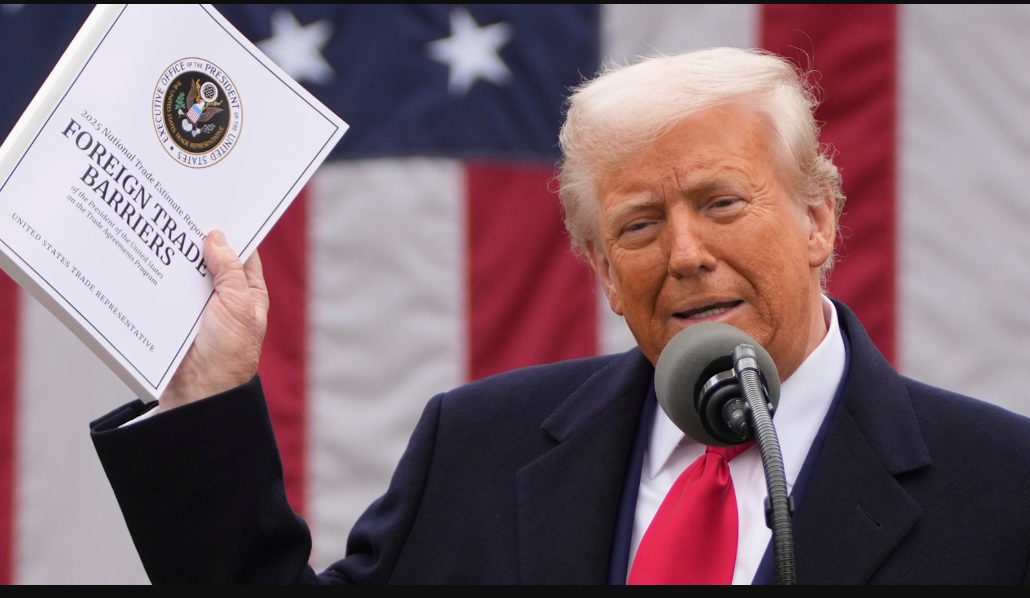

The recommendation was published in the 2025 National Trade Estimate Report on Foreign Trade Barriers, an annual review that highlights barriers U.S. exporters face in overseas markets.
In its section on China, the report criticizes the country’s current IP enforcement regime as “insufficiently deterrent,” citing ongoing concerns from American companies over rampant counterfeiting, piracy, and trade secret theft.
“While China has made progress in updating some IP-related laws, enforcement remains inconsistent and penalties too low to effectively deter violations,” the report stated.
The USTR emphasized that increasing statutory damages, enhancing transparency in enforcement proceedings, and imposing meaningful criminal penalties are essential for improving trust in the Chinese legal system and protecting American innovators.
The report also noted that IP-intensive U.S. industries, such as pharmaceuticals, software, and entertainment, continue to suffer “significant commercial losses” due to infringement in the Chinese market.
Chinese officials have not formally responded to the report, but in recent years, Beijing has introduced a number of legal reforms aimed at strengthening IP laws, including the creation of specialized IP courts and amendments to patent and copyright statutes. However, critics argue that enforcement lags behind policy.
Trade analysts say the USTR’s findings may set the stage for future negotiations or retaliatory measures if progress stalls.
“This is a shot across the bow,” said Dr. Lisa Reynolds, a trade policy expert at the Peterson Institute. “Washington is signaling that unless China improves enforcement, there could be consequences — possibly in the form of sanctions or trade restrictions targeting IP-intensive sectors.”
The USTR’s report also examined IP enforcement issues in other nations, but China featured prominently due to its central role in global manufacturing and recurring complaints from American rights holders.
With both countries locked in a delicate economic relationship, how China responds to these recommendations could impact not just bilateral trade, but broader global IP norms moving forward.
source: natlawreview.com