
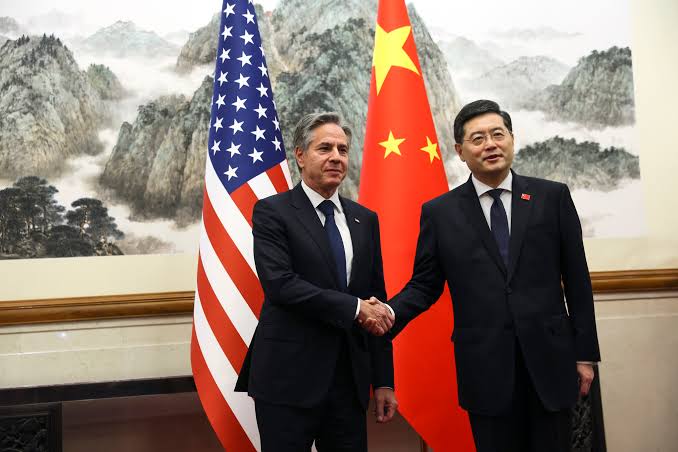

In a notable shift from past rhetoric, China is adopting a more conciliatory stance in its dealings with the United States, signaling a calculated pivot in strategy as it seeks to stabilize one of the world’s most critical bilateral relationships.
Senior Chinese officials, including President Xi Jinping, have recently emphasized dialogue, mutual respect, and what they describe as a “new phase of pragmatic cooperation” with Washington. This shift comes amid ongoing disputes over trade, Taiwan, and technology, which have kept relations tense despite high-level summits and working groups launched since late 2023.
China’s recalibration appears aimed at creating space for economic recovery and safeguarding its long-term strategic interests. Facing slowing growth, a fragile real estate sector, and global supply chain reconfiguration, Beijing’s leadership has reason to reduce external friction.
“This is not a retreat — it’s tactical patience,” says Dr. Liu Min, a political analyst at Tsinghua University. “Beijing understands that confrontation with the U.S. is unsustainable if it wants to stabilize the domestic economy and reassert global influence.”
Washington has responded cautiously. While President Biden’s administration has welcomed more consistent diplomatic channels and resumed some military-to-military communications, it remains skeptical of Beijing’s intentions. Key flashpoints — including China’s actions in the South China Sea and its support for Russia — continue to shape U.S. strategic calculus.
Critics warn that Beijing’s softer tone may mask enduring ambitions that conflict with U.S. interests. “The rhetoric may have changed, but the core objectives haven’t,” says Michael Langford, a senior fellow at the Council on Strategic Affairs. “Washington will need more than words to believe in a real policy shift.”
Still, business leaders on both sides are cautiously optimistic. Trade has rebounded modestly, and a long-stalled bilateral investment agreement has reentered discussion forums. Tech giants and financial institutions see the de-escalation as an opportunity to re-engage in limited but crucial ways.
For now, China’s bet on a calmer approach hinges on its ability to demonstrate consistency — and on Washington’s willingness to respond in kind without appearing soft ahead of the 2026 U.S. midterms.
Whether this new phase leads to lasting détente or simply a tactical pause remains uncertain. But for the moment, both capitals appear to agree on one thing: dialogue is better than deadlock.
source: scmp.com