

The allure of Changsha, capital city of Central China’s Hunan Province, has captivated the hearts of Hong Kong residents following the introduction of direct train services, rendering travel to the mainland city more accessible and enticing.
During the recent Qingming Festival, also known as Tomb-Sweeping Day, the city witnessed a surge in Hong Kong tourists, with netizens humorously comparing Changsha’s Wuyi Square to the streets of Hong Kong.
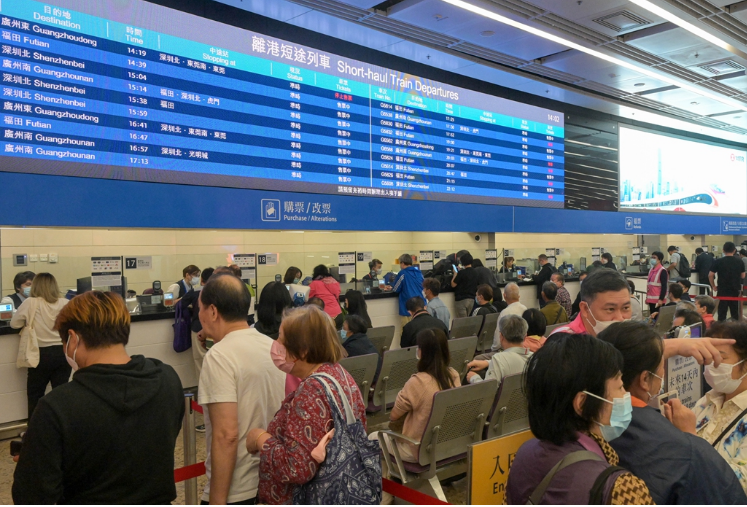
The resumption of cross-provincial train routes linking Hong Kong to key cities such as Beijing, Changsha, Hangzhou, and Shanghai since April 1, 2023, has significantly enhanced travel convenience for Hong Kong residents.
With high-speed rail tickets to Changsha and other mainland destinations selling out rapidly, and crowded Mass Transit Railway (MTR) stations reported during the holiday period, data reflects a substantial increase in cross-border travel, with over 7.8 million people entering and leaving Hong Kong from March 28 to April 4.
For Hong Kong residents like Jason, Changsha offers a perfect short-haul getaway, boasting a blend of affordability and novelty compared to their home city.
Beyond the seamless rail connection, Hong Kong tourists are drawn to Changsha’s culinary offerings, including its famed Hunan cuisine and unique delicacies like stinky tofu and Chayan Yuese milk tea.
Moreover, Changsha’s rich historical heritage as a cradle of Chinese revolution, exemplified by landmarks such as Orange Isle, Yuelu Academy, and Aiwan Pavilion, adds depth to the city’s appeal.
Nightlife in Changsha also earns accolades from Hong Kong visitors, who find the city’s entertainment scene even more vibrant than the famed Lan Kwai Fong district.
The shift in travel patterns reflects a broader trend of Hong Kong residents venturing beyond traditional destinations, with social media platforms abuzz with travel tips for exploring mainland cities like Beijing, Guizhou, and Sichuan.
According to Liang Haiming, President of Belt and Road Research Institute of Hainan University, this trend signals a positive economic impact, fostering growth in local tourism, hospitality, retail, and entertainment sectors, while fostering cultural exchange and understanding between Hong Kong and the mainland.