
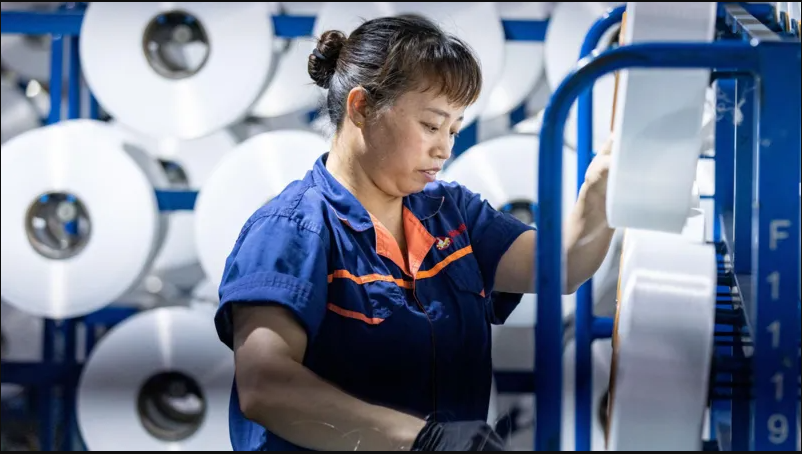

Beijing China’s economy outperformed forecasts in the second quarter of 2025, driven by resilient industrial output and export strength, even as the specter of steep tariffs under a potential second Trump administration casts a shadow over future prospects.
Key Economic Highlights
- GDP Expansion: The economy grew 5.2% year-on-year in Q2, slightly exceeding the 5.1% consensus estimate, maintaining a robust pace after a solid 5.4% increase in Q1
- First-Half Growth: For the first six months of 2025, China logged 5.3% growth, ostensibly outperforming its “around 5%” target, though analysts caution this masks underlying structural weakness
- Exports Bolster Performance: A 5.8% surge in exports in June spurred by a temporary truce with Washington helped cushion the economy, particularly benefiting high-tech and EV sectors
Balance of Strengths and Soft Spots
| Sector | Q2 Activity |
|---|---|
| Industrial Output | Rose ~6.8%, driven by manufacturing |
| Retail Sales | Sluggish, with ~4.8–4.9% growth, indicating weak domestic demand |
| Fixed-asset Investment | Modest at ~2.8%; property investment down ~11% H1 |
Industrial and export gains have powered headline GDP figures. But retail, infrastructure, and real estate show uneven performance, signaling growth remains export-reliant.
🇺🇸 Tariff Pressures Return
- Trump’s Tariff Threats: The former president is reportedly poised to reimpose high tariffs potentially up to 145% on Chinese goods in key sectors by early August
- Frontloading Defense: Chinese firms acted early to ship goods ahead of tariff deadlines, but analysts warn this merely shifts the pain into Q3 and Q4 if new tariffs materialize
Policy Response and Risks
In March, Beijing set a 5% growth target, ramped up fiscal stimulus, and lowered its inflation goal to ~2% Still, economists warn that the policy margin is narrowing as:
- Property bust continues to weigh heavily
- Consumer confidence remains fragile
- Local governments face rising debt constraints
Goldman Sachs and others expect incremental stimulus, but full-scale intervention remains unlikely unless trade tensions worsen significantly.
What It Means for Global Markets
China’s above-trend growth offers a short-term boost for commodity exporters and multinational supply chains. However, renewed U.S. tariffs could reverse this momentum, triggering volatility in Asia-Pacific markets and dragging down global industrial demand.
Conclusion: China’s economy is showing surprising resilience, outperforming expectations amid a delicate trade détente. But growth remains fragile hinging on exports and government support leaving it vulnerable if the tariff reprisal anticipated under a second Trump administration becomes reality.