
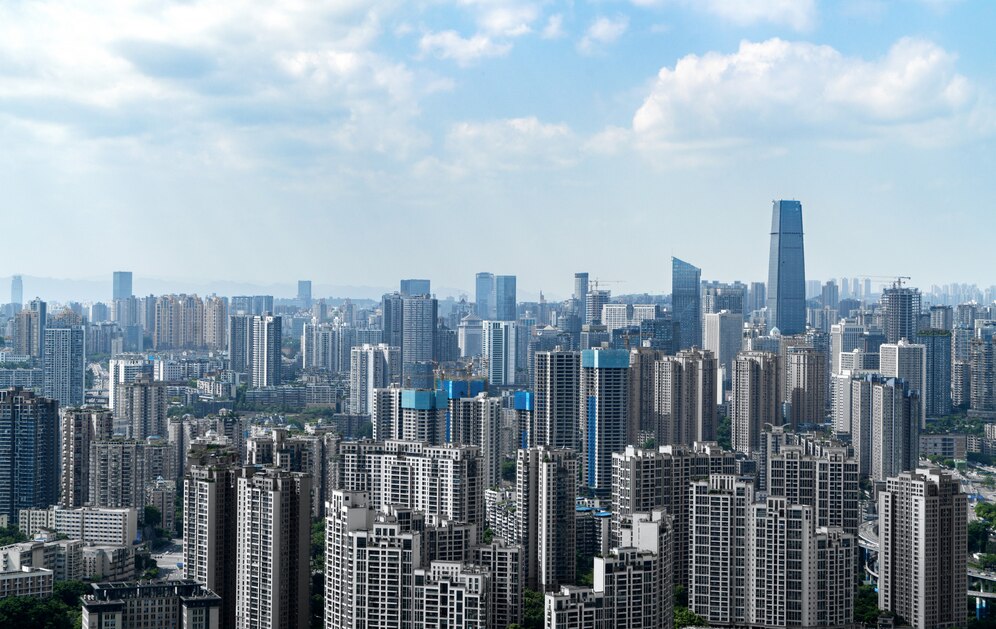

The prices of new homes in China experienced their most significant decline in nearly a decade last month, indicating that Beijing’s ambitious real estate rescue efforts have yet to revive demand. According to data from the National Bureau of Statistics (NBS) released on Monday, prices in 70 major cities fell by 0.7% in May compared to April. This represents the steepest month-on-month drop since October 2014, based on calculations by Reuters.
Additionally, the Macquarie Group reported that prices for existing homes in these cities plummeted by 7.5% year-on-year in May, marking the most substantial decline on record. This downturn comes despite Beijing’s introduction of extensive measures a month ago aimed at rescuing the beleaguered property market. These measures included directives for local governments to purchase unsold homes from struggling developers and easing restrictions on property purchases.
Analysts from Societe Generale remarked on Monday that one month is insufficient for the housing rescue package to manifest its effects. They noted that initiatives such as providing affordable loans to state-owned enterprises to acquire unsold homes from distressed developers will require time to impact the market meaningfully.
The broader real estate sector’s indicators remain troubling. Property investment for the first five months of the year decreased by 10.1% from the same period last year, according to NBS data released on Monday. New property sales also saw a significant drop, falling 28% during the same timeframe.
Despite the real estate sector’s struggles, other parts of the Chinese economy showed more promising signs. Retail sales rose by 3.7% in May, up from a 2.3% increase in April, surpassing market expectations. This growth was largely driven by government trade-in programs for used cars and old home appliances aimed at boosting domestic consumption. The Labor Day “Golden Week” holiday, from May 1 to May 5, also helped stimulate consumer spending.
However, industrial output growth slowed, increasing by 5.6% in May year-on-year, down from April’s 6.7% rise. Fixed asset investment also fell short of expectations.
Meanwhile, China’s exports surged by 7.6% in May, marking the fastest growth rate since April 2023, according to customs data released earlier this month. Imports, however, did not meet expectations. Macquarie analysts pointed out that “the growth is highly uneven,” with exports driving the economy while the property sector continues to act as a drag.
Deflation remains a concern for the world’s second-largest economy, as domestic demand stays weak. The consumer price index edged up by just 0.3% in May, unchanged from April and slightly below expectations. Producer prices fell by 1.4%, marking a 20th consecutive month of decline.
Analysts from HSBC suggested that despite the uneven growth, additional policy support is likely to help maintain the country’s GDP growth target of around 5% for the year. They highlighted the upcoming Third Plenum of the Communist Party, scheduled for next month, as a critical event that will outline economic reforms for the coming years.