
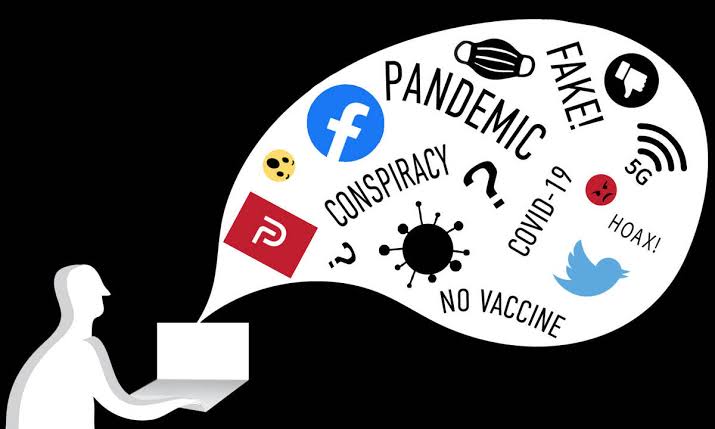

In the ongoing battle against misinformation surrounding the COVID-19 pandemic, a troubling trend has emerged: the rise of anti-vaccine conspiracy theories. Despite overwhelming scientific evidence supporting the safety and efficacy of vaccines, certain segments of the population continue to embrace baseless claims and unfounded fears. But what drives this adherence to conspiracy theories, and can political identity or emotional distress play a role?
A recent study delves into this complex issue, exploring how voting choices in the 2020 U.S. Presidential Election, combined with emotional distress brought on by the pandemic, contribute to the development and reinforcement of anti-vaccine beliefs. The research suggests that individuals who experienced higher levels of emotional distress be it due to the health crisis itself or the associated social and economic ramifications were more likely to gravitate toward conspiracy theories, especially if their political views were aligned with anti-science rhetoric.
The study found a particularly strong correlation between individuals who supported former President Donald Trump and those who endorsed anti-vaccine beliefs. For many, emotional distress, fueled by fear and uncertainty, became intertwined with their political identity, leading them to reject medical advice and trust alternative, often extremist, narratives about the virus and its origins.
Researchers suggest that the political polarization exacerbated by the pandemic has created a fertile ground for these conspiracy theories. As people sought answers to complex, life-altering questions, they turned to easily digestible, yet misleading, explanations that fit within their political framework.
Moreover, the research highlights that emotional distress does not simply correlate with an individual’s susceptibility to conspiracy theories, but also influences the strength of their belief in such ideas. Those who reported higher levels of anxiety, fear, and frustration with the pandemic were significantly more likely to hold onto these discredited theories, even when confronted with factual counterarguments.
While it may be tempting to label individuals who subscribe to these conspiracy theories as “losers” or simply uninformed, experts caution against oversimplifying the issue. The study underscores the importance of addressing emotional distress and the role that political ideologies play in shaping perceptions of science and public health.
Ultimately, combating anti-vaccine conspiracy theories requires a multifaceted approach: clear, consistent communication from trusted authorities, emotional support for those struggling with pandemic-related distress, and efforts to bridge the deepening divide between political ideologies. Only by understanding the interplay of these factors can society hope to mitigate the damaging effects of misinformation and move toward a more informed, healthy future.
source: nature.com