
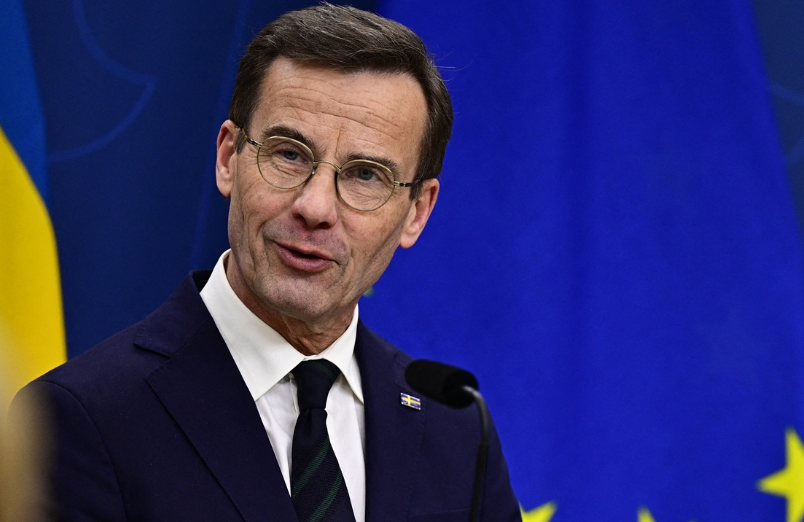

In a significant geopolitical development, Sweden has cleared the path to join NATO, marking a notable expansion of the boundary of the military standoff between Russia and NATO to the Arctic region. Following in the footsteps of Finland, Sweden’s accession to the US-led military alliance is heightening the complexity and instability of Europe’s security landscape, according to analysts.
European nations are contemplating sending ground forces to counter Russian troops in Ukraine, with France recently proposing such intervention to prevent Russia from prevailing in the war. The risk of war escalation is growing, prompting major European powers to bolster their defense capabilities and reduce reliance on the US by taking a more direct role in addressing the Ukraine crisis.
Addressing the issue of Sweden’s accession to NATO, Chinese Foreign Ministry spokesperson Mao Ning emphasized China’s hope for comprehensive and cooperative security measures. He urged all parties to work towards a balanced and sustainable security architecture through dialogue, negotiation, and respect for legitimate security concerns.
NATO Expansion:
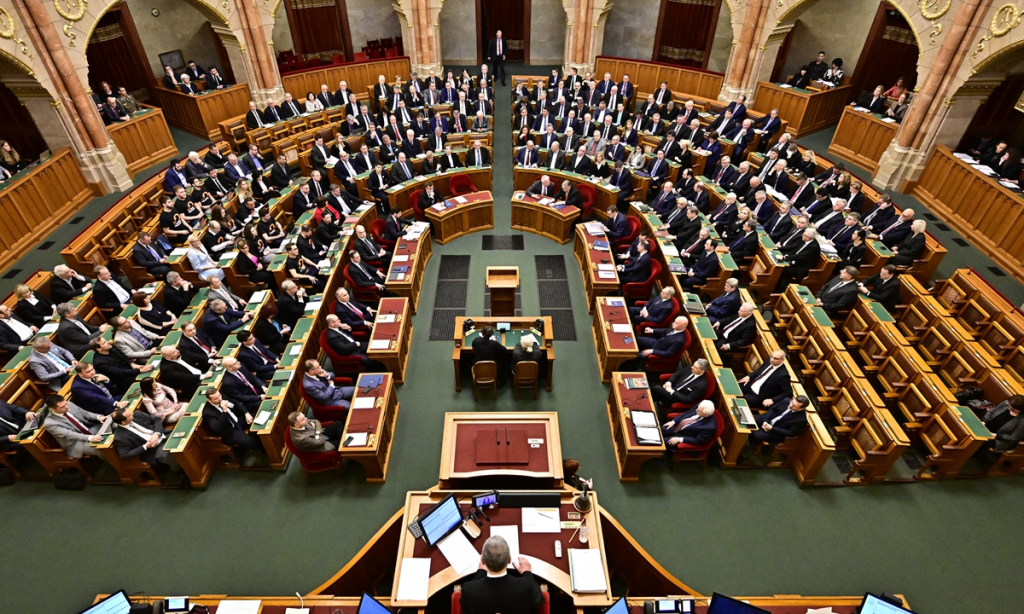
Following Hungary’s parliamentary vote in favor of Sweden joining NATO, the Scandinavian nation is set to become the 32nd member of the alliance. After almost two years of negotiations, Sweden’s path to NATO was momentarily hindered by opposition from Turkey. However, Hungary’s recent approval paved the way for Sweden’s inclusion in NATO.
Cui Heng, a scholar from the China National Institute for SCO International Exchange and Judicial Cooperation, highlighted the significance of Finland and Sweden’s accession, extending the frontline of the Russia-NATO military standoff to the Arctic region. Notably, all Arctic Council members are now NATO members, except Russia.
Analysts noted that NATO’s expansion aligns with the US strategic objective of confronting Russia in the Arctic region. By deploying military presences in Nordic countries like Sweden and Finland, the US can contain Russia and extend its influence in Europe.
Gao Jian, an expert on European studies, pointed out that Russia’s strategy in the Baltic and Arctic regions has been defensive. However, Sweden and Finland’s accession to NATO could compel Russia to strengthen military deployments in relevant borders, introducing uncertainties for Nordic countries’ security.
Concerns and Implications:
While NATO’s expansion may make the alliance appear more powerful, experts suggest that it lacks sufficient capability to meet the actual demands for security and defense across Europe. The increased responsibilities may dilute NATO’s strength, especially as the alliance’s resources are heavily committed to the Ukraine crisis.
Europe’s growing concern over Russia gaining an advantage in Ukraine has led to discussions about deploying Western troops in Ukraine. French President Emmanuel Macron indicated that sending troops on the ground is not ruled out, emphasizing the need to prevent Russia from winning the war.
European major powers are seeking a more direct role in the Ukraine crisis, aiming to ensure Ukraine’s resilience and prevent its defeat. The potential for a power transition in the US later this year adds to the urgency for European nations to play a more active role.
Li Haidong, a professor at the China Foreign Affairs University, highlighted that sending ground forces to Ukraine may face opposition within NATO due to concerns about potential escalation. The use of official army troops could lead to more destructive weapons being employed, escalating the conflict further.
In summary, Sweden’s NATO membership expands the Russia-NATO standoff to the Arctic region, presenting new challenges and uncertainties for European security. The dynamics of the conflict in Ukraine and the evolving role of major powers in addressing the crisis contribute to a complex geopolitical landscape.