
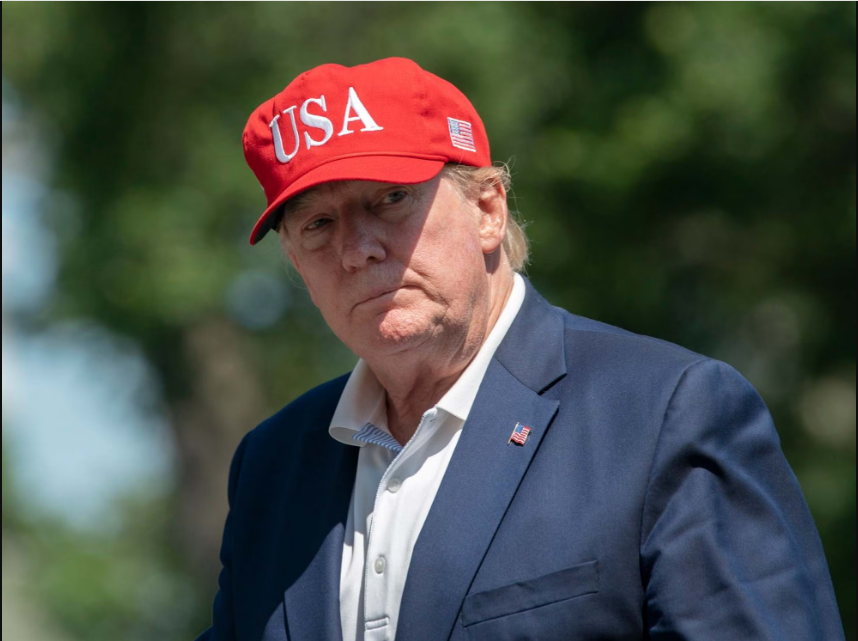

Former U.S. President Donald Trump’s unveiling of a sweeping new tariff proposal across 14 countries has reignited trade tensions with China and sent shockwaves across Southeast Asia a region caught in the middle of intensifying geopolitical and economic rivalry.
The proposed tariff package, which Trump has framed as a cornerstone of his 2025 presidential campaign, imposes stiff levies on a broad range of imports, with a particular emphasis on Chinese-made electronics, machinery, and raw materials. While the policy also targets key U.S. trading partners including Vietnam, Malaysia, Thailand, and the Philippines, its structure and rhetoric leave little doubt: China is the primary focus.
“This is economic warfare masquerading as policy,” said Dr. Susan Lien, a senior trade policy analyst at the Asia Society. “Beijing is not only concerned by the financial blow but by the message — that Washington is escalating efforts to economically contain China and disrupt its export-led growth model.”
China’s Unease and Response
Chinese officials have expressed “strong opposition” to the proposed tariffs, accusing the U.S. of returning to unilateral and protectionist practices. State media outlets called the move “a reckless provocation” and hinted at possible retaliatory measures, including restrictions on U.S. tech firms and agriculture exports.
Analysts say the tariffs risk exacerbating already fragile ties between the world’s two largest economies, just as they attempt to stabilize relations after years of volatility.
“This is a high-stakes gamble that could derail ongoing trade negotiations and spark a renewed cycle of tit-for-tat penalties,” warned Victor Huang, chief economist at Beijing-based Silk Road Strategies.
Collateral Pressure on Southeast Asia
Though China is the primary target, Southeast Asian nations many of whom have benefited from the U.S.-China decoupling by attracting relocated manufacturing are facing unexpected fallout. Countries like Vietnam and Indonesia, now key nodes in global supply chains, are also subject to new tariffs on electronics, apparel, and industrial goods.
For U.S. companies that had shifted operations from China to Southeast Asia in recent years, the tariffs complicate sourcing strategies and raise production costs.
“This undercuts the region’s role as an alternative manufacturing base,” said Rachel Montes, head of Asia-Pacific Trade at Global Insight Partners. “It sends a message that decoupling from China won’t insulate you from U.S. trade actions.”
A Strategic Move or Political Posturing?
Critics argue that Trump’s tariff plan is more about political messaging than long-term trade strategy, designed to appeal to domestic voters concerned about job losses and trade deficits. But with global supply chains still recovering from pandemic disruptions and inflation pressures, the economic consequences could be significant.
“If enacted, this policy risks inflaming global trade tensions, destabilizing markets, and undermining U.S. competitiveness,” said a recent report from the U.S. Chamber of Commerce.
With China signaling readiness to retaliate and Southeast Asian economies re-evaluating their trade alliances, the ripple effects of Trump’s tariff blitz may be felt well beyond the campaign trail.
source: scmp.com